

Where to Stay in Rome: Best Neighborhoods for Every Traveler
Back
Where to Stay in Rome: Best Neighborhoods for Every Traveler
Quick answer: For a first visit, stay in the Centro Storico (the historic center around the Pantheon and Piazza Navona) — or in Monti or Trastevere if you prefer neighborhood character over a postcard-perfect address. Choose Prati for a calmer base near the Vatican, and look at Via Veneto if you want an elegant, quieter area within reach of the Spanish Steps and Villa Borghese.
Rome is a city of neighborhoods, not a single "downtown." Where you sleep decides how much of your trip is spent walking through cobbled streets and how much is spent waiting for buses. This guide breaks down the areas that matter, who each one suits, and what to watch out for — so you can pick a base with confidence.

Quick Pick: Best Area to Stay in Rome by Traveler Type
If you are… | Best neighborhood | Why |
|---|---|---|
A first-time visitor | Centro Storico | Pantheon, Piazza Navona and Trevi Fountain are all walkable |
A couple seeking atmosphere | Trastevere or Monti | Trattorias, wine bars and cobbled lanes on your doorstep |
Visiting mainly for the Vatican | Prati | Quiet, elegant, and a short walk to the Vatican Museums |
A history lover | Monti | Steps from the Colosseum and Roman Forum |
A food-focused traveler | Trastevere or Testaccio | Where Romans actually eat and drink |
Prefer calm and elegance | Via Veneto / Ludovisi | Refined streets between the Spanish Steps and Villa Borghese |
A family | Prati | Wide streets, a residential feel and good metro access |
Staying a week or longer | Trastevere, Prati or Monti | Real daily life: markets, bakeries, grocery stores |
1. Centro Storico (Historic Center): Best for First-Time Visitors
Best for: first visits, short stays, travelers who want to walk everywhere.
The Centro Storico covers the area around the Pantheon, Piazza Navona, Campo de' Fiori and the Trevi Fountain. Staying here means you can step out in the morning and be in front of a major monument within minutes, then walk back for a siesta when the midday heat peaks.
Walkable to: Pantheon, Piazza Navona, Trevi Fountain, Spanish Steps, and — on foot, with a pleasant stroll — the Colosseum.
Atmosphere: lively, atmospheric, photogenic, busy until late.
Watch out for: crowds, street noise in the busiest lanes, and higher prices than outlying areas. Pickpocketing is a risk in crowded spots, as in any major tourist city.
Tip: if you're a light sleeper, ask for a unit on an interior courtyard or a quieter side street rather than directly on a main square.
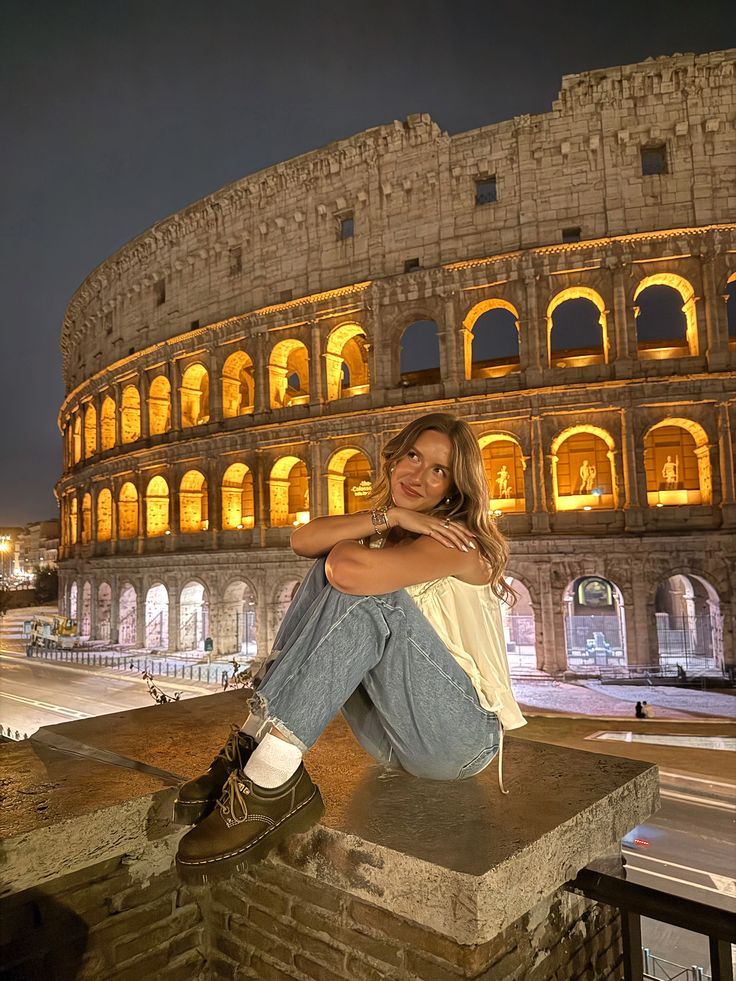
2. Trastevere: Best for Atmosphere, Dining and Evenings
Best for: couples, food lovers, travelers who want a "village inside the city" feel.
Across the Tiber from the Centro Storico, Trastevere is a maze of ivy-covered buildings, small piazzas and family-run trattorias. In the evening it comes alive; in the morning it's one of the most charming places in Rome for a coffee and a walk.
Walkable to: the Tiber Island and the Centro Storico (across the river); the Vatican and the Colosseum are a longer walk or a short transit ride.
Atmosphere: bohemian, social, romantic — and genuinely lively at night.
Watch out for: its busiest streets can be noisy late into the evening, and it's less convenient for sightseeing across the entire city than the Centro Storico.
Tip: the quietest corners are often just a few streets away from the main piazzas — look slightly off the central axis.

3. Monti: Best for History Lovers and a Local, Creative Vibe
Best for: travelers who want to be close to ancient Rome and come home to a neighborhood with personality.
Monti sits between the Colosseum and the Roman Forum and the busy streets toward Termini. Once a rough working-class quarter, it's now known for independent boutiques, vintage shops, wine bars and a young, relaxed feel.
Walkable to: Colosseum, Roman Forum, Palatine Hill; the Centro Storico is a longer but doable walk.
Transit: Cavour and Colosseo stations (Metro Line B) are close.
Atmosphere: creative, walkable, less polished than the historic center.
Watch out for: some streets on its edges near the main station are busier and less charming — check the exact address on a map.
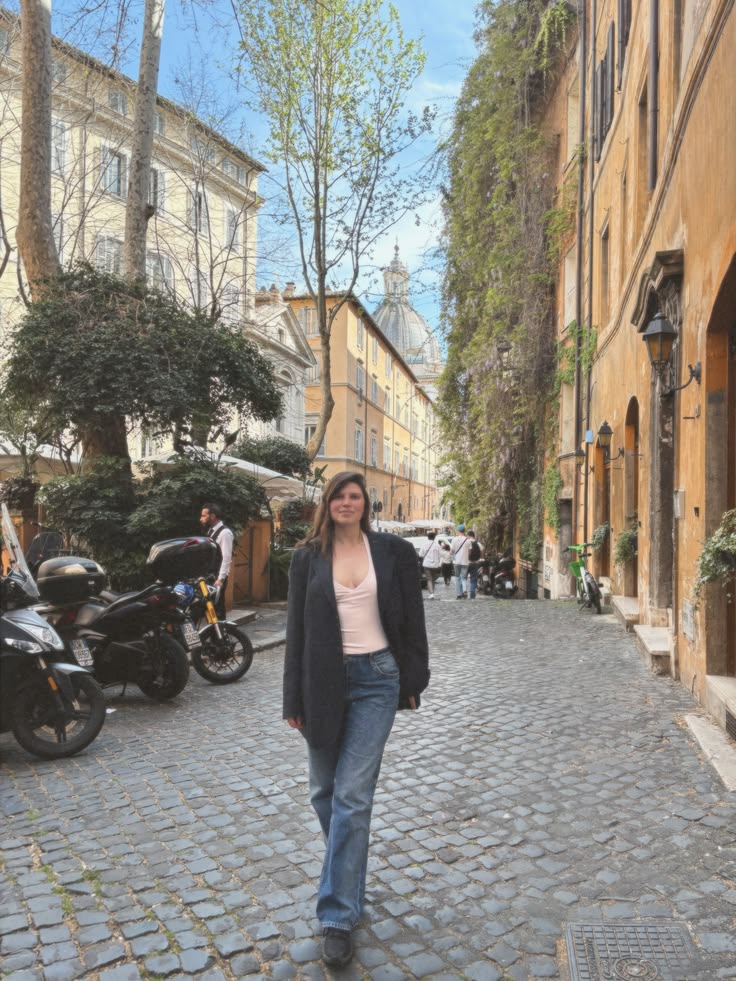
4. Prati: Best for Families and the Vatican
Best for: families, repeat visitors, travelers who prefer a calm, residential base.
Prati is an elegant district just north of the Vatican, with wide, tree-lined streets, handsome apartment buildings and a shopping street (Via Cola di Rienzo) with both chains and local businesses. It feels more orderly and local than the tourist heart of the city.
Walkable to: the Vatican Museums and St. Peter's Basilica; the Centro Storico is a pleasant walk across the river.
Transit: Ottaviano and Lepanto stations on Metro Line A.
Atmosphere: calm, polished, quieter at night.
Watch out for: the Colosseum and ancient Rome are not within walking distance — plan on metro or bus for that side of the city.
Geography note: Prati is near the Vatican, but it is not the same place as Borgo, the historic quarter immediately beside St. Peter's Square — and neither is "Vatican City," which is its own sovereign state. If an accommodation claims to be "in the Vatican," check the map.

5. Via Veneto and Ludovisi: Best for Elegance and Quiet
Best for: couples, business-leisure travelers, anyone who prefers refined streets over nightlife.
Via Veneto, once the stage of La Dolce Vita, runs through an upscale area bordering the Villa Borghese gardens. It's quieter than the historic center at night, with a polished, residential feel.
Walkable to: Villa Borghese and, at a steady pace, the Spanish Steps and Trevi Fountain.
Atmosphere: elegant, calm, discreet.
Watch out for: fewer casual trattorias than Trastevere or Monti; the evening scene is more restaurant-and-hotel-bar than street life.

6. Testaccio: Best for Authentic Roman Food
Best for: food lovers and repeat visitors who want to eat like a local.
South of the center and near the Pyramid, Testaccio is known as the birthplace of traditional Roman cuisine. It's a working-class, local-feeling neighborhood with a famous market and plenty of classic trattorias.
Atmosphere: authentic, unhurried, less touristy.
Watch out for: it's farther from the main monuments, so you'll rely on transit more than in the Centro Storico.
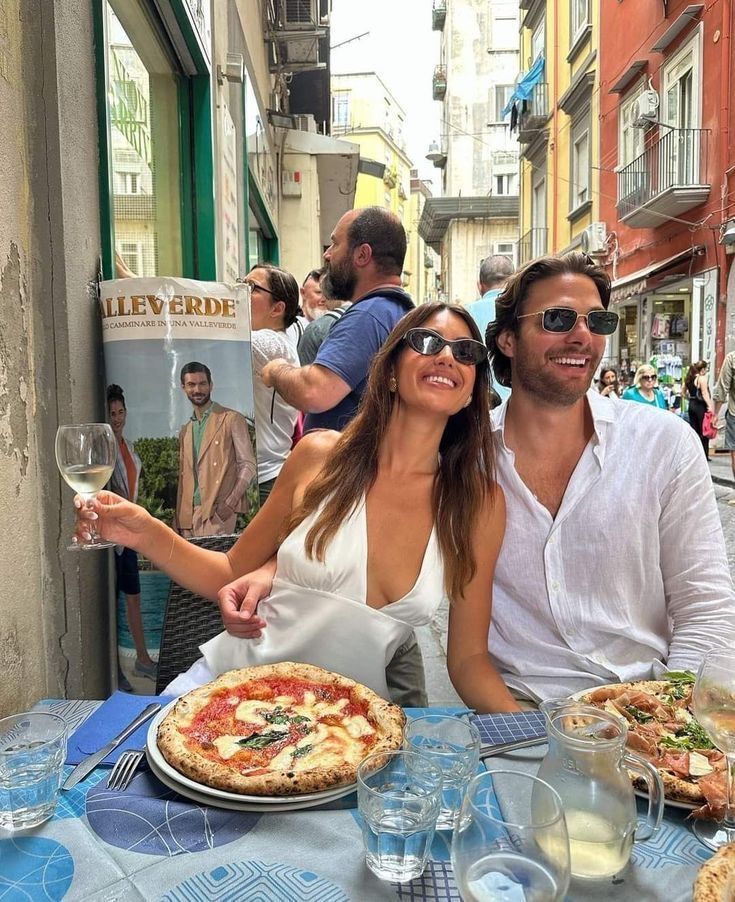
Apartment vs. Hotel in Rome: What to Choose
Many travelers underestimate how much the format of their stay shapes the trip.
Factor | Apartment | Hotel |
|---|---|---|
Space | More room, separate living area, often multiple bedrooms | Compact rooms, especially in the historic center |
Kitchen | Yes — breakfasts, snacks, and a base for market shopping | Rarely |
Check-in | Often self check-in, flexible arrival times | Reception hours apply |
Cost for groups | Usually better per person for families and groups | Multiple rooms add up quickly |
Daily services | Typically limited | Housekeeping, concierge, breakfast |
Feel | A home in a real neighborhood | Consistent, service-led |
A simple way to compare: divide the total nightly price by the number of guests. For couples, a hotel can be hard to beat for convenience. For families, groups, or stays of five nights or more, an apartment with a kitchen often delivers more space and better value per person.
Is Rome Safe? A Practical Note on Neighborhoods
Rome's central neighborhoods are generally comfortable for visitors. The most common issue is pickpocketing in crowded areas — around major monuments, on packed buses and metro lines, and near the main train station. A few habits help:
Keep bags zipped and worn in front on crowded transit.
Avoid carrying valuables in back pockets.
Stick to well-lit streets late at night, as in any large city.
Read recent reviews of the specific street where you're booking, not just the neighborhood.

How Many Days Do You Need, and Does It Change Where You Stay?
Yes. A short city break favors the Centro Storico or Monti, where almost everything is walkable. A longer stay lets you settle into a neighborhood like Trastevere or Prati and treat it as home. Not sure how long to plan for? See our guide: How Many Days Do You Need in Rome?
Planning Beyond Where to Sleep
[Domenica al Museo: Free Museum Sundays in Rome] — plan a free cultural Sunday.
[Metro Line C Guide] — how the newer stations connect the city.
[Italy Digital Nomad Visa 2026] — if you're planning to live and work in Rome for longer.
(Replace the bracketed placeholders with the live URLs of your published articles in Framer.)
Rome Neighborhoods at a Glance
Neighborhood | Vibe | Best for | Walk to ancient Rome? | Evenings |
|---|---|---|---|---|
Centro Storico | Historic, busy | First-timers | Yes, ~20–30 min | Lively |
Trastevere | Bohemian, romantic | Couples, foodies | Longer walk / short ride | Very lively |
Monti | Creative, local | History lovers | Yes, minutes | Moderate |
Prati | Elegant, calm | Families, Vatican | No — use transit | Quiet |
Via Veneto / Ludovisi | Refined, quiet | Couples, calm seekers | No — use transit | Calm |
Testaccio | Local, foodie | Repeat visitors | Short ride | Local-lively |

Frequently Asked Questions
What is the best area to stay in Rome for first-time visitors? The Centro Storico (historic center) is the best area for first-time visitors because the Pantheon, Piazza Navona and Trevi Fountain are within walking distance. Monti is a strong alternative if you want to be closer to the Colosseum and Roman Forum.
Is Trastevere a good area to stay in Rome? Yes. Trastevere is one of the most atmospheric areas in Rome, ideal for couples and food lovers thanks to its trattorias and lively evenings. Its busiest streets can be noisy, so choose a unit on a quieter lane if you're a light sleeper.
Is Prati a good area to stay in Rome? Prati is an excellent choice for families and travelers visiting the Vatican. It's calm, residential and well connected by Metro Line A, but the Colosseum is not within walking distance.
What is the safest area to stay in Rome? Central neighborhoods such as the Centro Storico, Monti, Prati and Via Veneto are generally comfortable for visitors. The main risk anywhere in Rome is pickpocketing in crowded places, so use standard city precautions and check recent reviews for the specific street.
Where should families stay in Rome? Families usually do best in Prati, thanks to its wide streets, quieter evenings and good metro access, or in an apartment in the Centro Storico where extra space and a kitchen make daily life easier.
Should I stay in an apartment or a hotel in Rome? Apartments suit families, groups and longer stays because they offer more space, a kitchen and often better value per person. Hotels suit short stays and travelers who want daily services and a concierge.
Where should I stay in Rome for the Vatican? Prati is the best base for the Vatican, with the Vatican Museums and St. Peter's Basilica within walking distance and two Metro Line A stations nearby.
Is it better to stay near Termini station? Termini offers the best transport connections, which is useful for very short stays or early departures, but the surrounding streets are busier and less atmospheric than areas like Monti or the Centro Storico.
Do I need to pay a city tax in Rome? Yes. Rome charges a per-person, per-night tourist tax that varies by accommodation type and applies for a limited number of consecutive nights. Check your booking confirmation for the current rate.
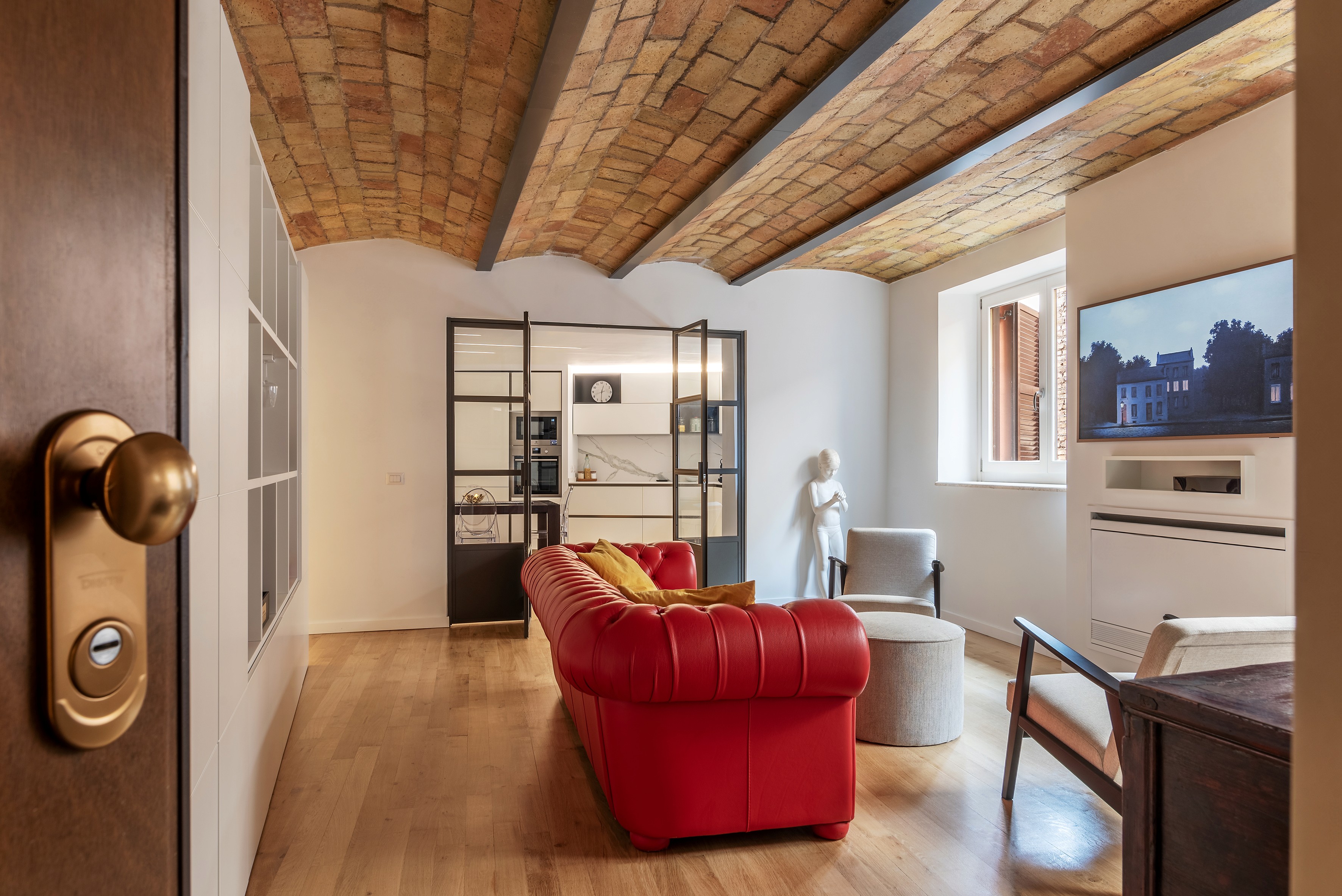

Find Your Dream STAY Today