

How Many Days Do You Need in Rome? An Honest Answer for 1–7+ Day Trips
Back
How Many Days Do You Need in Rome? An Honest Answer for 1–7+ Day Trips
Quick answer: most first-time visitors need 3 to 4 full days to see Rome's essentials without rushing. If you want to add day trips to Tivoli, Ostia Antica, or the Castelli Romani, plan for 5 to 7 days.
Rome isn't a city you "finish." Two thousand years of history don't fit neatly into a checklist, and every guidebook will tell you something slightly different because the honest answer depends on your travel style — not a magic number. Below is a realistic breakdown of what you can actually do with 1, 2, 3, 4, 5, or 7+ days in Rome, so you can plan around your own priorities instead of someone else's itinerary.
The Short Version
Days in Rome | Best for | What you'll realistically cover |
|---|---|---|
1 day | Cruise stops, long layovers | One neighborhood + 1-2 headline sights |
2 days | Quick city break | Ancient Rome OR Vatican, plus the historic center highlights |
3 days | First-time visitors (minimum) | Ancient Rome, Vatican City, historic center — the classic trio |
4 days | First-time visitors (ideal) | The classic trio, at a human pace, plus one neighborhood to explore slowly |
5 days | Deeper first visit or repeat visitors | Everything above, plus a day trip or a full "off the checklist" day |
7+ days | Slow travel, food-focused trips, digital nomads | Rome at a local's pace, with day trips to Lazio and time to simply live in a neighborhood |
1 Day in Rome: The Layover Itinerary
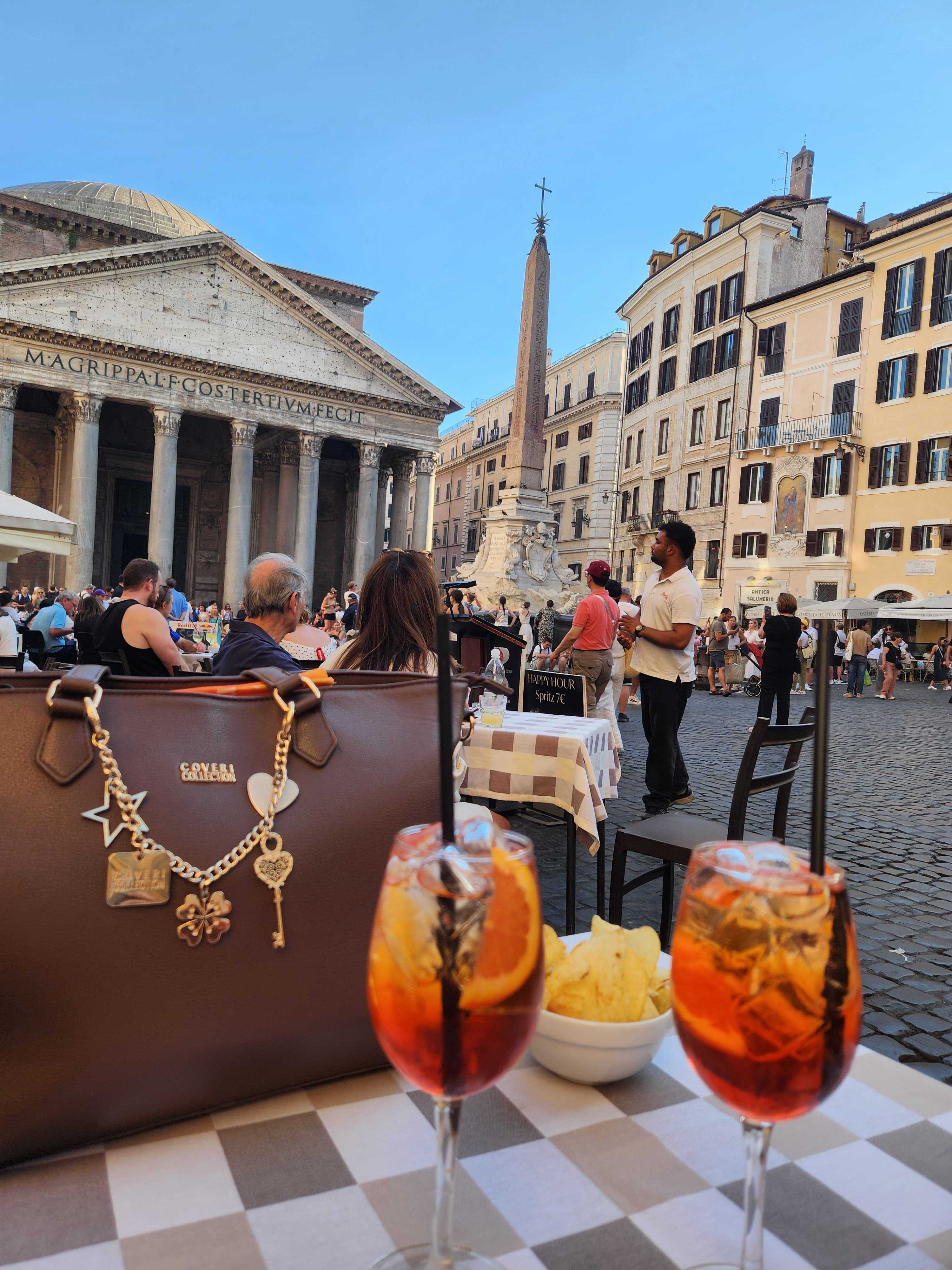
If you're only in Rome for a cruise stop or a long layover, be ruthless about your list. Pick one area and stay there rather than crossing the city. The historic center around the Pantheon, Trevi Fountain, and Piazza Navona is walkable in a single loop and gives you a genuine taste of Rome, even if you leave plenty unseen. Trastevere is a strong alternative if you'd rather sit in a piazza with a coffee than photograph monuments.
What to accept going in: you will not see the Colosseum, the Vatican, and the historic center properly in one day. Trying to do all three usually means seeing none of them well.
2 Days in Rome: Enough for the Highlights, Not Enough to Relax
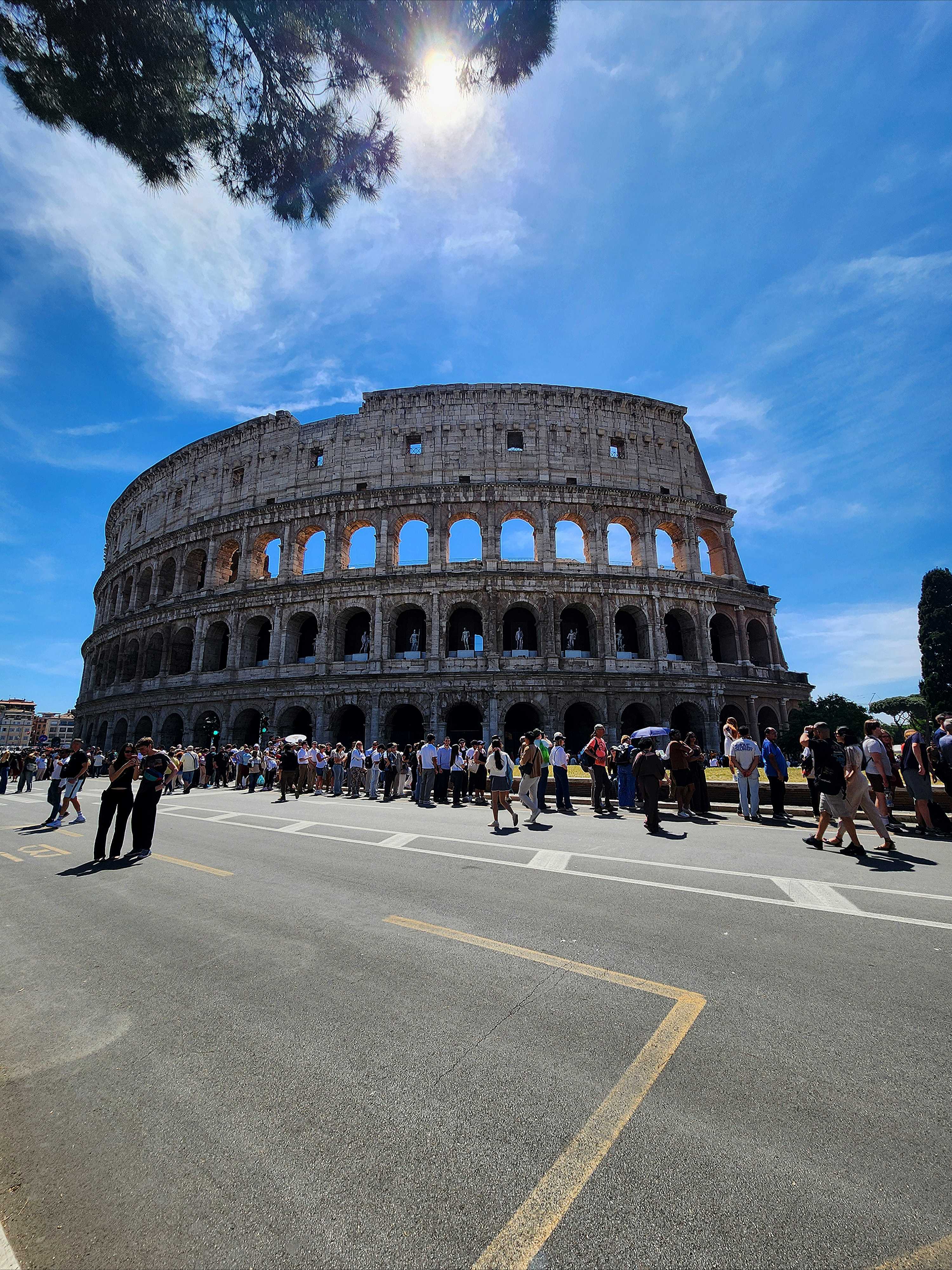
Two days is workable but tight. A common split is Ancient Rome and the historic center on day one (Colosseum, Roman Forum, Palatine Hill, then the Pantheon and Trevi Fountain in the afternoon), and Vatican City on day two (St. Peter's Basilica and the Vatican Museums, including the Sistine Chapel).
The trade-off is pace. You'll be moving most of the day, and lines at major sites can eat into your schedule if you haven't booked timed-entry tickets in advance. Two days works well as part of a longer Italy trip — Rome plus Florence and Venice, for example — but as a standalone visit it will feel like a highlight reel rather than a holiday.
3 Days in Rome: The Realistic Minimum for a First Visit
Three days is the number most travel writers converge on, and for good reason — it's roughly the minimum needed to see Rome's three major "chapters" without feeling like you're sprinting between them:
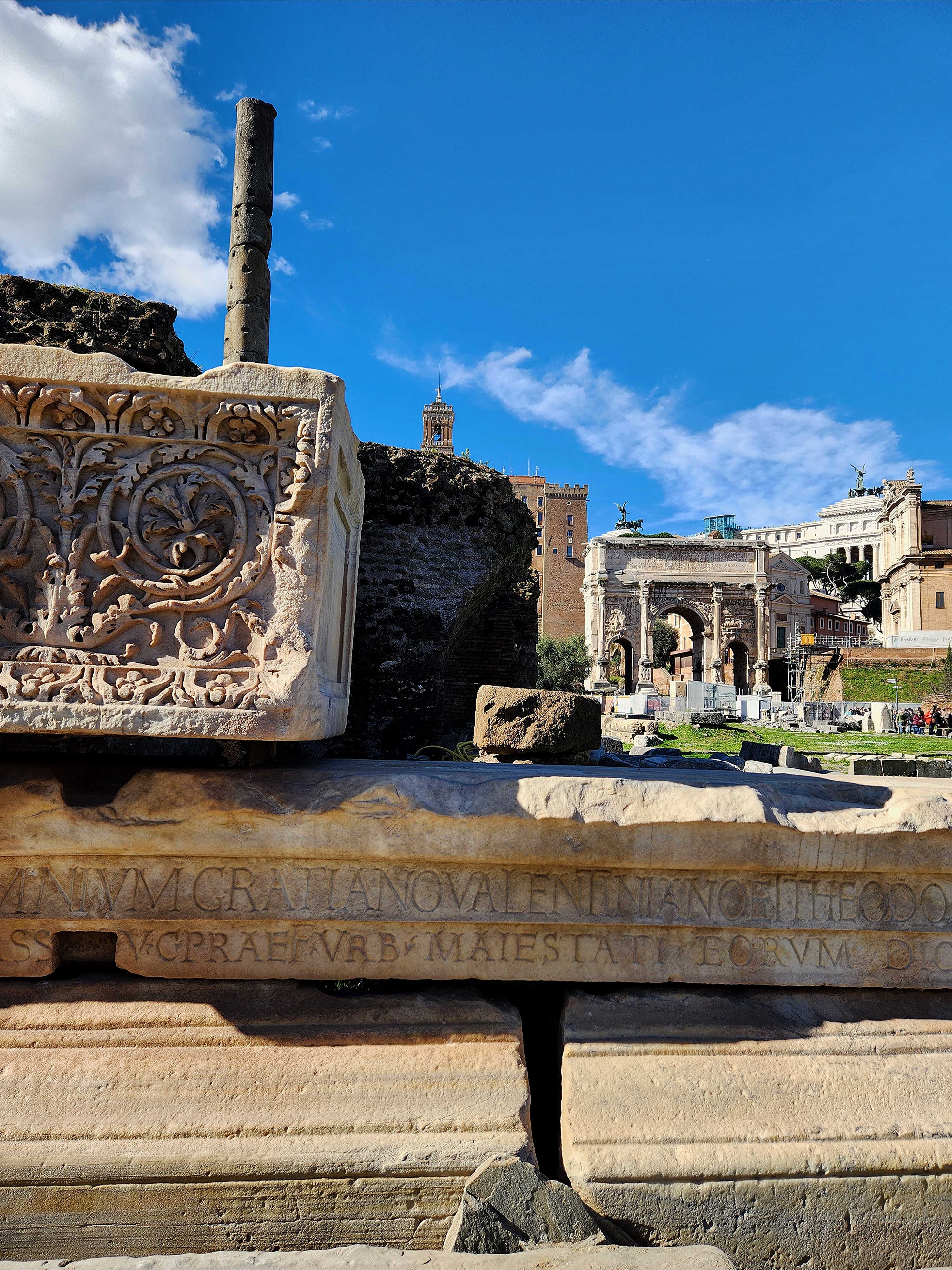
Day 1 — Ancient Rome: Colosseum, Roman Forum, and Palatine Hill in the morning (this alone takes half a day), then recover with lunch and an afternoon in Monti, one of Rome's most walkable and least frantic central neighborhoods.
Day 2 — Vatican City: St. Peter's Basilica, the Vatican Museums, and the Sistine Chapel. Book tickets ahead — this is the single biggest time-saver in Rome.
Day 3 — Historic Center: Pantheon, Piazza Navona, Trevi Fountain, and the Spanish Steps, ideally on foot and without a rigid schedule, since this area rewards wandering more than checklist-following.
Three days will leave things out — smaller museums, Trastevere's back streets, most of the food scene beyond your meals — but it covers what most people picture when they picture Rome.
4 Days in Rome: The Sweet Spot for First-Timers
If you can add a fourth day, do it. The difference isn't a fourth set of monuments — it's pace. Four days lets you treat the three days above as a foundation rather than a race, with room for a cooking class, a slower dinner, a rooftop aperitivo, or a wander through Trastevere or Testaccio without watching the clock.
Four days is also enough time to notice that Rome is a city of neighborhoods, not just monuments — which matters when you're deciding where to stay. A base in a quieter, well-connected area like Prati (near the Vatican) or Rione Ponte and Borgo (walkable into the historic center) tends to make a four-day trip feel less like a commute between sights and more like actually living in Rome for a few days.
5 Days in Rome: Room for a Day Trip
Five days covers the full first-timer itinerary and adds enough slack for one meaningful addition — usually a day trip. The most popular options from Rome are:
Tivoli — Villa d'Este's fountain gardens and the ruins of Hadrian's Villa, about an hour from the city.
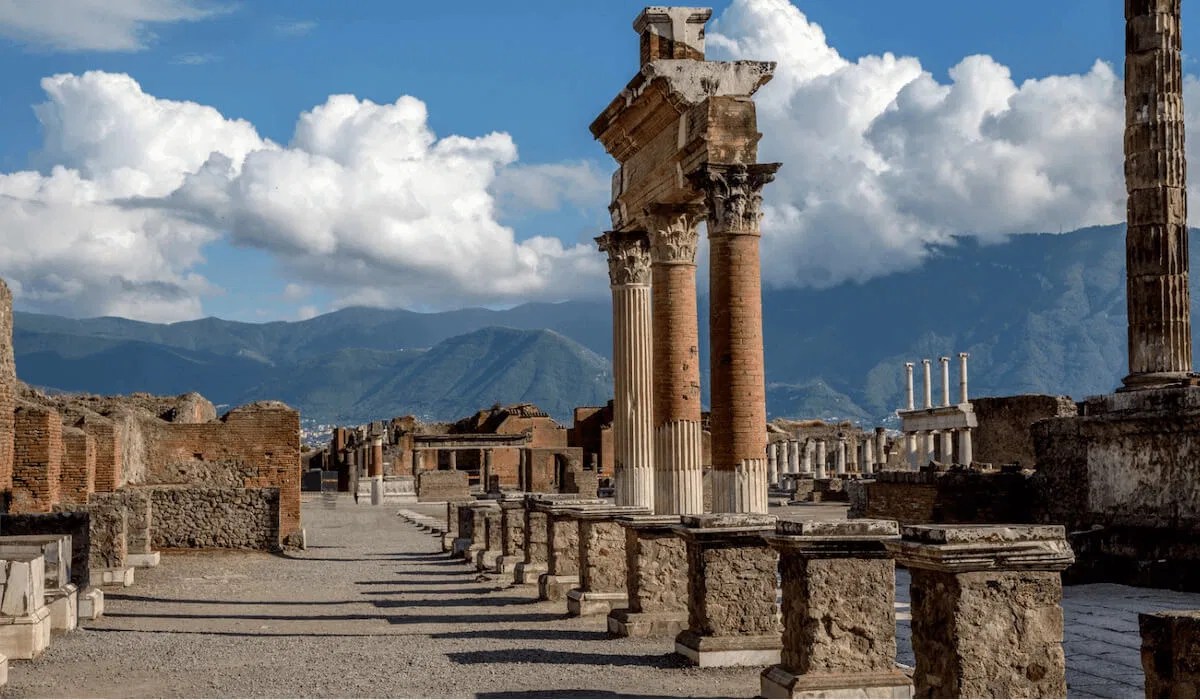
Ostia Antica — a remarkably intact Roman port city, often called "Pompeii without the crowds," and much closer than Pompeii itself.
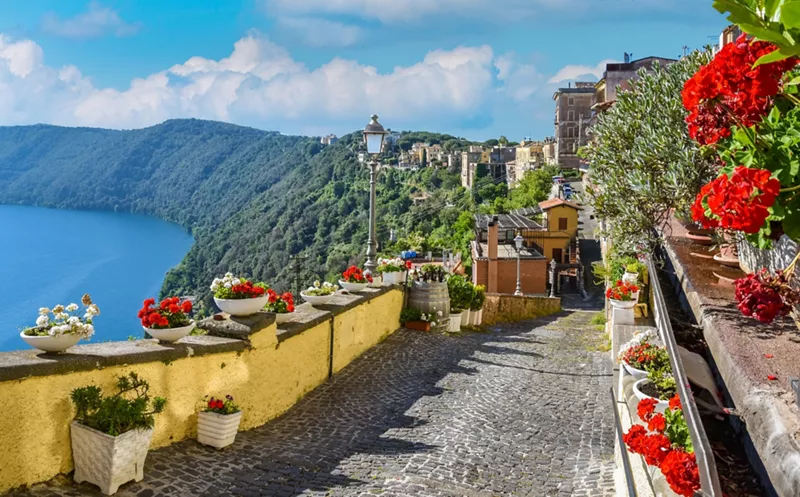
Castelli Romani — hill towns south of Rome (Frascati, Castel Gandolfo) known for wine and lake views.
Five days is also a realistic amount of time to properly settle into one neighborhood rather than treating your accommodation as a place to sleep between sightseeing.
7+ Days in Rome: Slow Travel and Local Life
A week or more changes the nature of the trip entirely. Instead of covering Rome, you start living in it — grocery shopping at a local market, having a regular coffee bar, taking your time in smaller museums and churches that never make a three-day list (San Luigi dei Francesi's Caravaggios near the Pantheon is a favorite most visitors walk straight past). This length suits food-focused travelers, repeat visitors, and remote workers combining sightseeing with a working stay.
For stays this long, the neighborhood you choose matters more than any single sight. Somewhere with real grocery stores, a rhythm of daily life, and easy transport — Prati, Trastevere, or Monti are all good fits — will serve you far better than a hotel zone built purely for short stopovers.
What Actually Changes Your Answer
Beyond a flat number of days, a few factors should shape your own plan:
Travel style. Museum-and-monument travelers move faster through a checklist than food-and-atmosphere travelers, who might spend an entire afternoon in one neighborhood.
Day trips. Each one — Tivoli, Ostia Antica, Pompeii, even Florence — effectively adds a full day to your Rome-area trip, since you lose most of a day to travel.
Time of year. Peak summer (June–August) means longer lines and higher heat, which slows everyone down; shoulder seasons (spring, autumn) let you move faster with the same number of days.
Where you're staying. A well-located base cuts real time off your trip. Every day spent commuting from a hotel far from the center is a day partially lost to transit rather than spent seeing Rome.
FAQ
Is 2 days enough for Rome? Two days is enough to see the highlights — Ancient Rome, the historic center, or the Vatican — but not comfortable enough to see all of them without rushing. It works best as a stop within a longer Italy itinerary rather than a standalone trip.
Is 3 days enough for Rome? Three days is the realistic minimum for a first visit, covering Ancient Rome, Vatican City, and the historic center. It's tight but workable if you book major attractions in advance.
How many days do you need for Rome and the Vatican? The Vatican alone (St. Peter's Basilica and the Vatican Museums) takes a full day. Add it to a 3-day Rome itinerary and plan for 3 to 4 days total.
Is a week too long for Rome? Not at all. A week allows for slow travel, day trips to places like Tivoli or Ostia Antica, and time to properly settle into a neighborhood rather than sightseeing non-stop.
How many days do you need in Rome if you're also visiting Florence and Venice? Most multi-city Italy itineraries allocate 2 to 3 days to Rome when it's combined with Florence and Venice, focusing on the highest-priority sights rather than a full exploration.
Planning a longer stay in Rome? A well-placed base in a walkable, well-connected neighborhood makes every one of these itineraries easier — whether that's three fast-paced days or a slower week exploring beyond the checklist.


Find Your Dream STAY Today