
Rome New Rules 2026: Fees, Fines & 15 Tourist Mistakes to Avoid
Back
Rome New Rules 2026: Fees, Fines & 15 Tourist Mistakes to Avoid
Rome has changed. In 2026, the most famous fountain in the world started charging for close-up access, several free museums became paid for visitors, and the city keeps tightening the rules that protect its monuments — with fines that can turn a perfect holiday photo into a very expensive souvenir.
None of this should stop you from visiting. But knowing the rules before you land will save you money, time and a few awkward conversations with the local police.
Here's everything that's new in 2026, the rules most visitors don't know exist, and the 15 mistakes we see travelers make again and again.
Quick answer: what's new in Rome in 2026?
Trevi Fountain fee: since February 2, 2026, non-residents pay €2 to enter the area right next to the fountain (the basin), daily from 9 AM to 10 PM. Watching it from the piazza is still free.
Five city museums are no longer free for tourists: Villa di Massenzio, Museo Carlo Bilotti, Museo Barracco, Museo Pietro Canonica and Museo Napoleonico now charge non-residents an entry fee.
Tourist tax: every overnight guest pays a per-person, per-night city tax, from €3 to €10 depending on the type of accommodation, for a maximum of 10 consecutive nights.
Long-standing fines still apply: sitting on the Spanish Steps, bathing in fountains and damaging monuments can cost several hundred euros.
The Trevi Fountain fee, explained
This is the change everyone is searching for — and the one most misunderstood.
The fountain is not closed, and you don't need a ticket to see it. The €2 fee applies only to the inner perimeter: the steps and basin area right in front of the water, where people toss their coins and take close-up photos.
Details | |
|---|---|
Price | €2 per person |
Who pays | Tourists and non-residents |
Who's free | Residents of Rome and its Metropolitan City (with ID), children aged 5 and under, people with disabilities and a carer, licensed tour guides |
Paid hours | 9 AM – 10 PM daily (on Mondays and Fridays, access opens later because of cleaning) |
Where to buy | Official website (fontanaditrevi.roma.it), Tourist Infopoints, Civic Museums, or at the ticket office on Via della Stamperia |
Payment on site | Card or phone only — no cash |
Timed? | No. Pre-bought tickets are open-dated, but non-refundable |
Insider tips:
The view from the piazza is free and often better for photos — you can frame the whole fountain.
Go early or late. Before 9 AM there's no fee and far fewer people; at night the fountain is beautifully lit.
Buy online the day before to skip the ticket queue.
Your coins still matter: the money thrown into the fountain is collected and donated to Caritas, the Catholic charity that supports people in need in Rome.

Rome's tourist tax in 2026
If you're staying overnight in Rome, you'll pay the contributo di soggiorno (city tourist tax). It surprises many visitors because it's usually not included in the booking price — it's collected separately by your hotel or host.
How it works:
It's charged per person, per night — not per room.
The amount depends on the type and category of accommodation, ranging from around €3 per night (campsites) to €10 per night (five-star hotels). Holiday apartments have their own category rates.
It applies for a maximum of 10 consecutive nights — stays longer than that don't pay more.
Children under 10 are exempt, as are Rome residents.
Example: two adults staying 5 nights in accommodation with a €6 rate pay €6 × 2 × 5 = €60 in total.
Tip: always ask your host or hotel how much the tax is and how they collect it before you arrive, so it doesn't come as a surprise at check-out.
What's free and what you pay for in Rome (2026)
Site | Cost for visitors | Good to know |
|---|---|---|
Trevi Fountain (from the piazza) | Free | 24 hours a day |
Trevi Fountain (basin, close-up area) | €2 | 9 AM – 10 PM |
Spanish Steps | Free | But no sitting — see below |
Piazza Navona, Campo de' Fiori, piazzas | Free | |
Pantheon | Paid ticket | Free on the first Sunday of the month |
Colosseum, Forum & Palatine | Paid ticket | Book only on the official site; free on first Sundays (limited, book ahead) |
St. Peter's Basilica | Free | Long security line; dress code applies |
Vatican Museums | Paid ticket | Closed most Sundays; free on the last Sunday of the month |
Villa di Massenzio & four small city museums | Now paid for non-residents | Changed in 2026 |
Churches | Free | Dress code applies |
For more on free museum days, see our guide to Domenica al Museo.
Rules that can get you fined in Rome
Rome's city regulations protect its monuments, and local police enforce them — especially in the historic center. These are the ones that catch tourists most often:
Sitting on the Spanish Steps. Since 2019, sitting, eating or lying on the steps is prohibited. Officers patrol the area and blow whistles at anyone who sits down — and fines can reach several hundred euros.
Bathing in or climbing into fountains. Putting your feet in the Trevi, the Barcaccia or any historic fountain can mean a heavy fine. It's not a pool, even in August.
Dragging wheeled suitcases down historic stairways. Carry them — the Spanish Steps are a monument.
Eating messy food on monument steps and in certain protected areas of the center.
Carving, writing or scratching on monuments. Tourists have been fined thousands of euros and prosecuted for carving names into the Colosseum.
Paying for photos with costumed "gladiators." These street performers have been banned around major monuments, and the "photo" often comes with an aggressive demand for money.
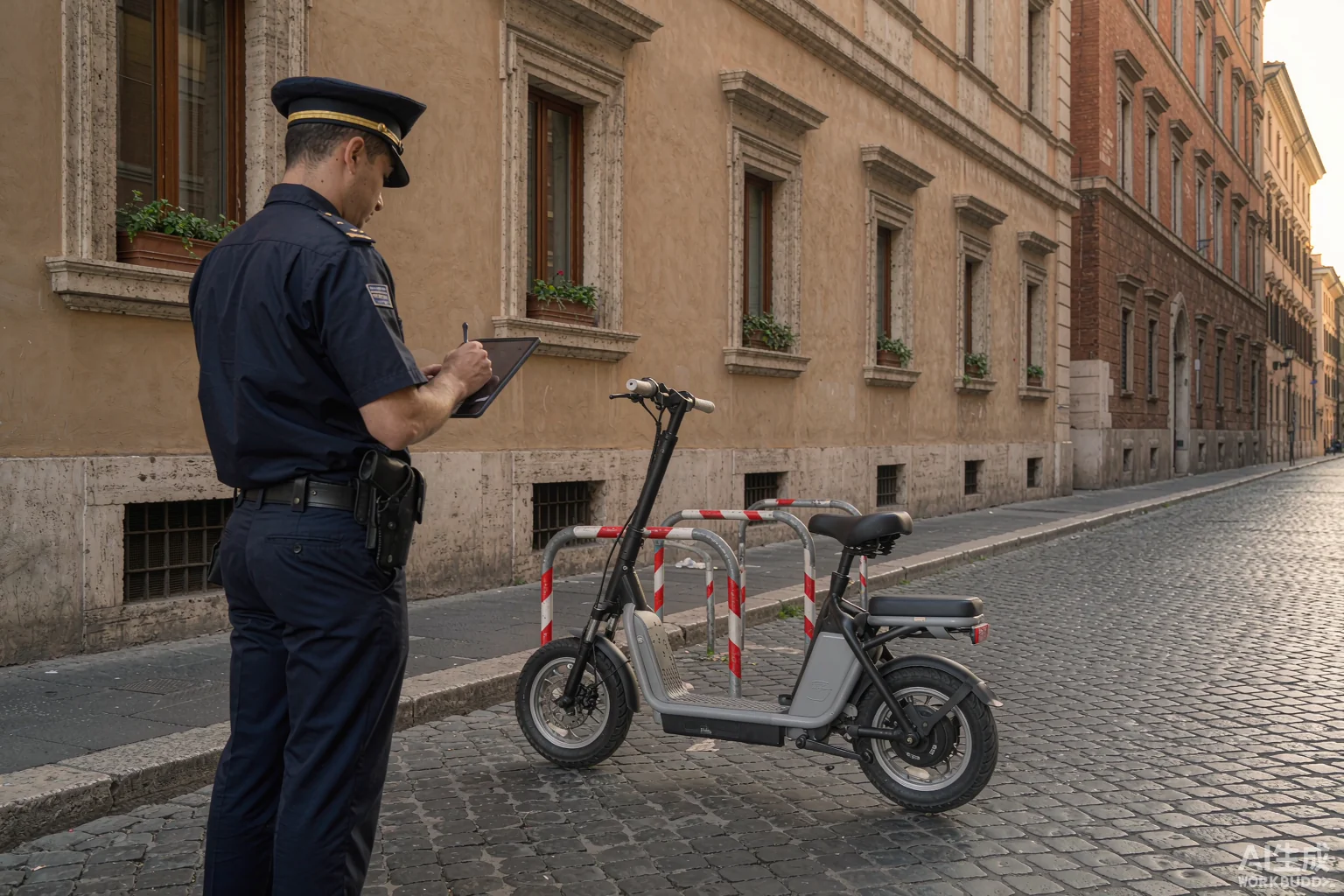
Driving into the ZTL. Most of the historic center is a Limited Traffic Zone monitored by cameras. Driving in without a permit — even for a few seconds — means an automatic fine sent to your rental company, which will charge you a handling fee on top.

15 mistakes tourists make in Rome (and how to avoid them)
Money mistakes
1. Buying "skip-the-line" Colosseum tickets from resellers. Official Colosseum tickets are sold on the official website and are often much cheaper than resold ones. They are nominative and sell out fast — book as soon as your dates are confirmed.
2. Sitting down for a coffee in a tourist hotspot. In Italy, coffee at the counter (al banco) costs a fraction of the same coffee served at a table, especially in front of a famous monument. Do as the Romans do: drink it standing.
3. Being surprised by the coperto. Many restaurants add a cover charge per person for bread and table service. It's legal if it's on the menu. Tipping is not expected in Italy; rounding up or leaving a few euros for great service is appreciated but optional.
4. Following restaurant touts. If someone outside is pulling you in with a laminated menu in six languages and photos of every dish, keep walking. The best trattorie are often one or two streets away from the big piazzas. See our Rome food guide by neighborhood.
5. Taking unofficial taxis from the airport. Only use official white taxis from the rank. Licensed Rome taxis offer a fixed fare from Fiumicino and Ciampino airports to the historic center within the Aurelian Walls — check the amount displayed on the taxi before getting in.
6. Buying bottled water all day. Rome has over two thousand free public drinking fountains (nasoni) with cold, clean water flowing all day. Bring a refillable bottle. Trick: block the spout with your finger and the water shoots up from a small hole on top, like a drinking fountain.
Planning mistakes
7. Planning the Vatican Museums on a Sunday. The Vatican Museums are closed on most Sundays (except the last Sunday of the month, when they're free — and packed). Many state museums close on Mondays instead. Check before building your itinerary.
8. Not booking anything in advance. The Colosseum, Vatican Museums, Borghese Gallery (where booking is mandatory) and other limited-slot sites sell out days or weeks ahead, especially in high season.
9. Trying to see everything in two days. Rome isn't a checklist city. Trying to squeeze the Colosseum, the Vatican and the entire historic center into 48 hours leads to exhaustion and long queues. See our guide on how many days you need in Rome.
10. Forgetting the dress code. To enter St. Peter's Basilica and most churches, shoulders and knees must be covered. Guards at St. Peter's turn people away daily. Carry a light scarf.
Getting-around mistakes
11. Not validating your train ticket. Paper tickets for regional trains must be validated before boarding (in the machines on the platform). Ticket inspectors fine unvalidated tickets on the spot, even if you can show you paid.
12. Buying single metro tickets every time. Rome's metro and buses accept contactless bank cards and phones — just tap in at the gate or on the bus. It's the simplest way to pay.
13. Ignoring pickpockets. Crowded metro lines, the buses to the Vatican and the busiest monuments are prime spots. Wear your bag in front, keep your phone out of your back pocket, and be wary of anyone creating a distraction.
14. Wearing the wrong shoes. Rome's black cobblestones (sampietrini) are uneven, and slippery when it rains. Leave the heels and flip-flops for the evening — you'll walk 15,000–25,000 steps a day.
15. Staying too far from the center to save money. A cheaper room on the outskirts can cost you an hour a day in transport, extra taxis, and evenings cut short. In Rome, location is everything: being able to walk home after dinner is worth a lot.
Before you go: the 2026 Rome checklist
✅ Book the Colosseum and Vatican Museums on the official websites
✅ Decide if you want the €2 Trevi Fountain close-up ticket (or go before 9 AM)
✅ Ask your host about the tourist tax
✅ Bring an ID or passport — accommodation providers in Italy are legally required to register guests with the authorities
✅ Pack a scarf for churches and comfortable shoes
✅ Bring a refillable water bottle
✅ Keep a contactless card or phone ready for metro, buses and Trevi tickets
✅ Don't rent a car for the city — and if you do, avoid the ZTL

Where to stay in Rome to avoid most of these mistakes
Many of the classic tourist mistakes — long commutes, expensive taxis, rushed sightseeing, bad meals near monuments — come from where you stay.
If you want… | Best area | Why |
|---|---|---|
The Vatican on foot | Prati / Borgo | Walk to St. Peter's and the Vatican Museums, with authentic restaurants away from the crowds |
Trevi, Spanish Steps and the Pantheon on foot | Historic center / Via Veneto | Reach the classic sights early, before the tour groups |
Atmosphere and great food | Trastevere / Monti | Real trattorie, evening walks, local life |
Easy airport and train connections | Castro Pretorio (near Termini) | Direct trains to Fiumicino and day trips |
Why an apartment is the smart choice in 2026
Kitchen = savings. Breakfast at home and an occasional dinner from the market can cut daily food costs significantly — and avoid tourist-trap restaurants entirely.
More space for the same budget, especially for families and groups splitting costs.
Live like a local in a residential street, not a hotel corridor.
Self check-in for late arrivals, without waiting for a reception desk.
Frequently asked questions
Do you have to pay to see the Trevi Fountain in 2026?
No. Since February 2, 2026, the Trevi Fountain charges non-residents €2 only to enter the inner perimeter next to the basin, between 9 AM and 10 PM. Viewing the fountain from Piazza di Trevi remains free at any time of day or night. Residents of Rome, children aged 5 and under, people with disabilities and their carers, and licensed guides do not pay.
How much is the tourist tax in Rome in 2026?
Rome's tourist tax (contributo di soggiorno) is charged per person, per night, and ranges from about €3 to €10 depending on the type and category of accommodation, with five-star hotels paying the highest rate. It applies for a maximum of 10 consecutive nights. Children under 10 and Rome residents are exempt. The tax is usually paid directly to the accommodation and is often not included in the booking price.
Can you sit on the Spanish Steps in Rome?
No. Since 2019, Rome's city regulations prohibit sitting, lying down or eating on the Spanish Steps, in order to protect the monument. Local police patrol the area, and visitors who break the rule can be fined several hundred euros. Walking up and down the steps and taking photos is allowed.
Which museums in Rome became paid in 2026?
From February 1, 2026, five city-run sites in Rome that were previously free began charging non-residents an entry fee: Villa di Massenzio on the Appian Way, Museo Carlo Bilotti, Museo di Scultura Antica Giovanni Barracco, Museo Pietro Canonica and Museo Napoleonico. Residents of the Metropolitan City of Rome continue to enter city museums for free.
Is tipping expected in Rome?
Tipping is not expected in Rome. Restaurants may include a cover charge (coperto) per person, which must be listed on the menu, and some include a service charge. Leaving a few euros or rounding up the bill for good service is appreciated but optional.
What should I not do in Rome as a tourist?
Visitors to Rome should avoid sitting on the Spanish Steps, stepping into historic fountains, buying tickets from unofficial resellers, taking unlicensed taxis, driving into the restricted traffic zone (ZTL), and entering churches with uncovered shoulders or knees. They should also validate paper regional train tickets before boarding and stay alert to pickpockets on crowded public transport.
Enjoy Rome — the smart way
Rome's new rules aren't there to scare visitors away; they're there to protect a city that welcomes millions of people every year. Know them, plan a little, and you'll spend your time on what matters — not on fines, queues and tourist traps.
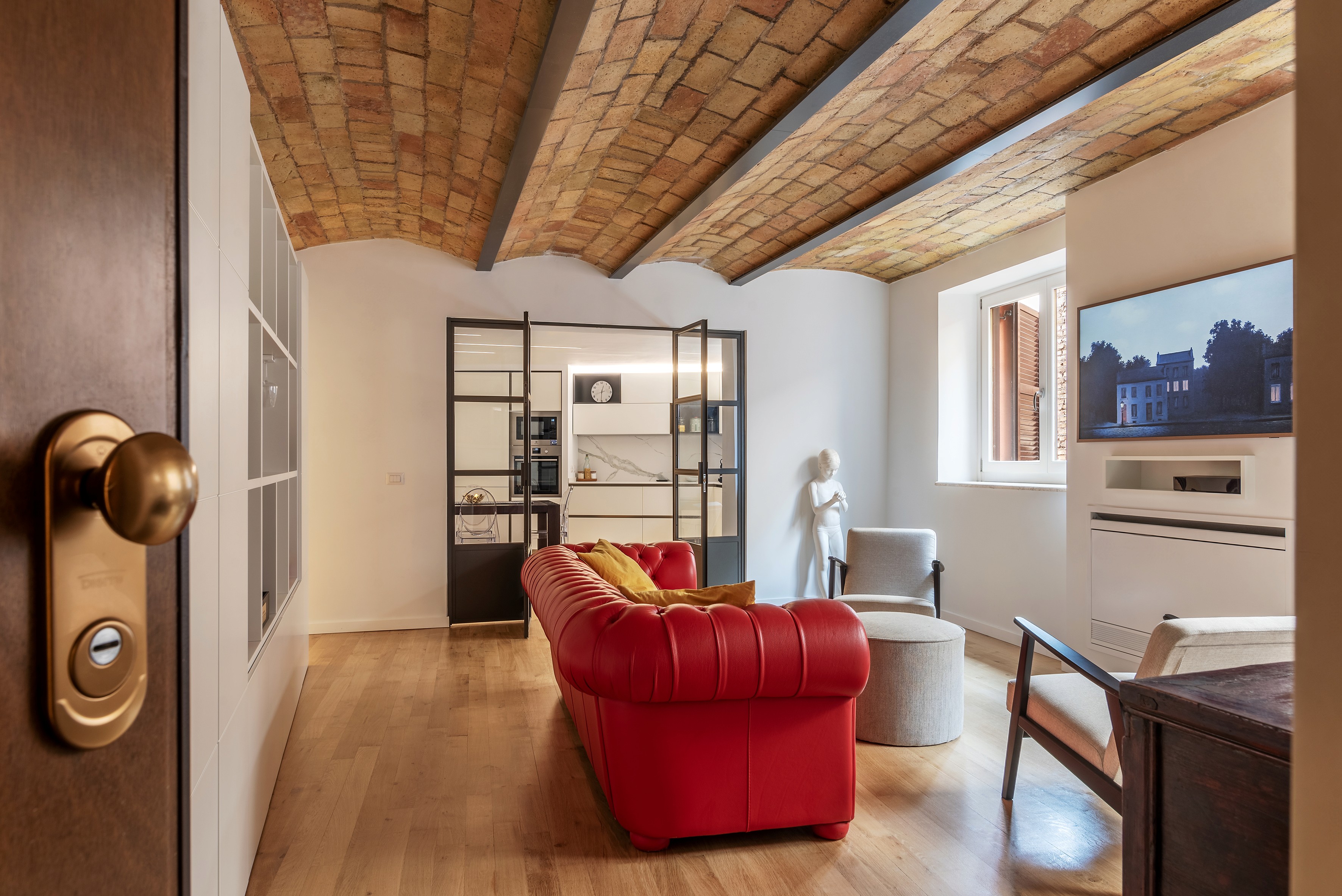
Our apartments in Prati, Borgo, Trastevere, Monti, Castro Pretorio and the historic center put you within walking distance of the sights, the best local restaurants and the real Rome — with a kitchen, space to relax, and everything you need to live the city like a Roman.



Find Your Dream STAY Today