
Where to Eat in Rome in 2026: A Real Neighborhood-by-Neighborhood Guide
Back
Where to Eat in Rome in 2026: A Real Neighborhood-by-Neighborhood Guide
Every "how to eat like a local in Rome" article says the same five things: walk three blocks from the landmark, skip the menu with photos, avoid anyone waving you inside, check for Italian-only text, don't trust a restaurant that's open all day. All true. All repeated on roughly four hundred blogs. None of them tell you the part that actually matters: those rules mean something different in every neighborhood, and the guides that pass them along were written by people passing through, not by people who've spent years checking guests into apartments in these streets and getting asked, every single week, "where should we actually eat tonight?"
That's the guide we've never written until now. Not a list of restaurant names that might close next year — a map of how each of Rome's real neighborhoods actually works, so you can apply it wherever you're staying.
Quick Answer
If you're staying in Trastevere, walk one street back from the river and the tourist prices drop by half. In Prati, near the Vatican, the calmer, more residential feel of the neighborhood extends straight into its kitchens — reservations matter more than street smarts. In Monti, judge on style as much as tradition; it's Rome's most design-conscious eating scene. In Campo de' Fiori and the historic center, the same piazza is an honest produce market by 10am and a tourist-priced bar circuit by 9pm — timing matters more than location. In Borgo, right by St. Peter's, look past the postcard stands for the handful of places that actually cook for the neighborhood, not the queue. In Castro Pretorio, near Termini, ignore the station-adjacent stigma — this is where office workers and residents eat lunch at real prices, minutes from the center.
Why the Same Five Warnings Aren't Enough
The standard tourist-trap checklist treats Rome like one city with one set of rules. It isn't. A restaurant open all day near the Pantheon is almost certainly built for tourist turnover. A restaurant open all day in Castro Pretorio is built for shift workers and residents who don't eat on a fixed schedule — same signal, opposite meaning. A beautiful piazza table in Trastevere can mean either a genuinely excellent kitchen or a rotating cast of staff serving reheated carbonara to people who'll never come back — and the checklist can't tell you which, because the checklist doesn't know which piazza you're standing in.
The real test locals use isn't a list of red flags. It's a question: who is this place actually cooking for tonight? A kitchen built around its regulars behaves differently from a kitchen built around a one-time crowd — in its pacing, its prices, its willingness to tell you the pasta special sold out instead of serving you something worse. You can't read that from a photo menu. You can read it from knowing the neighborhood.
Trastevere: The Neighborhood That Rewards Ten Extra Meters
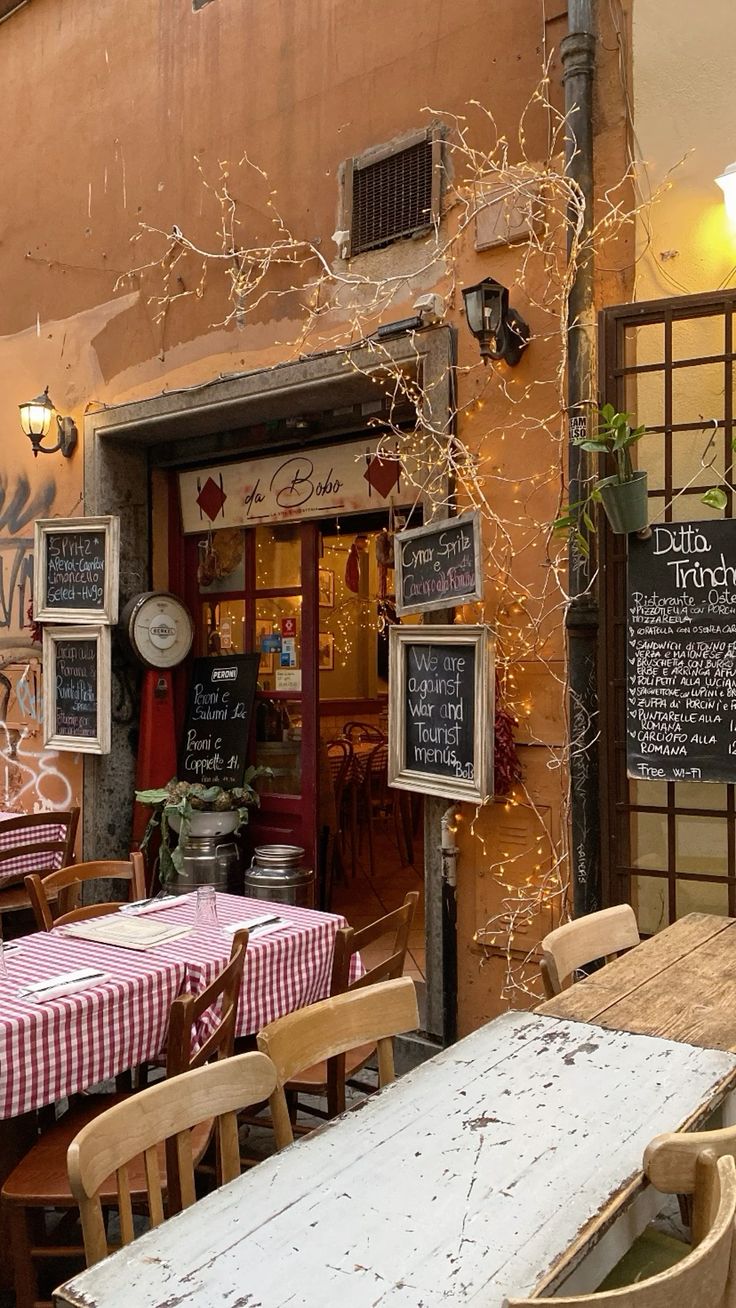
Trastevere is Rome's most photographed dinner backdrop, and that's exactly its problem: the restaurants directly on its prettiest corners are optimized for people who chose the table because of the view, not the food. Walk one street back from Piazza Trilussa or Viale di Trastevere, though, and you're in a genuinely residential neighborhood with a real produce market at San Cosimato and trattorias that have served the same families for decades. The rule here isn't "avoid Trastevere" — it's "Trastevere rewards the extra ten meters" more than almost anywhere else in the city, because the contrast between its tourist layer and its real layer is unusually sharp.
Prati & Borgo: Where Calm Streets Mean Calmer Kitchens
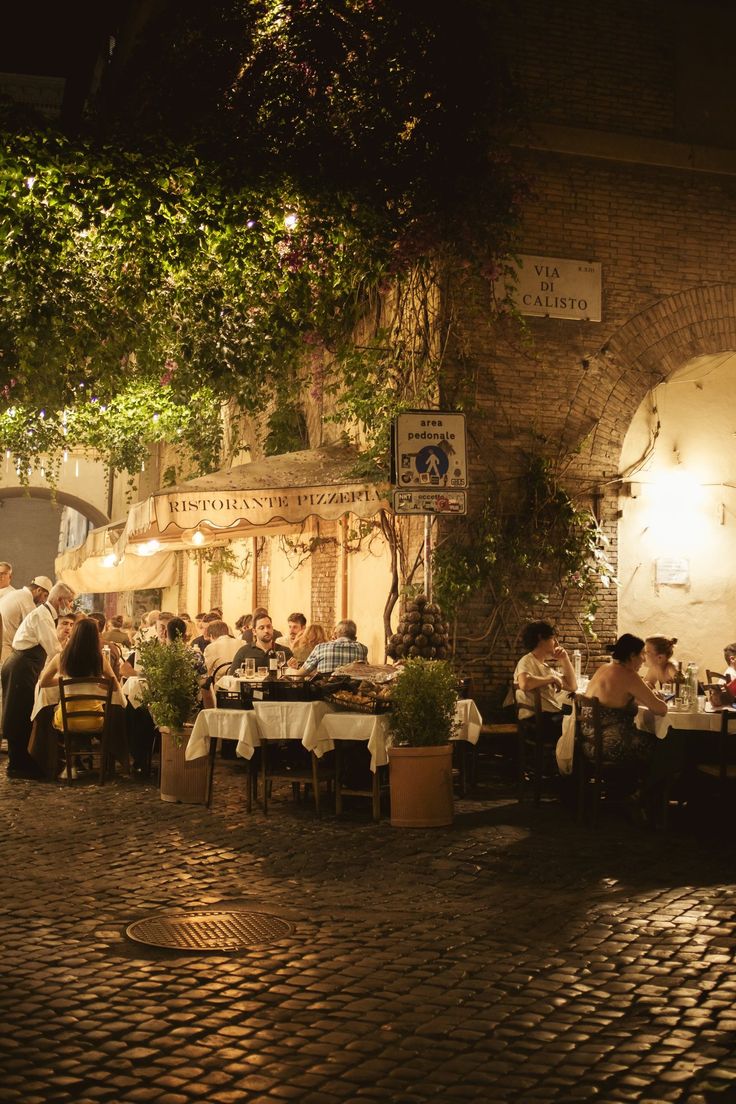
Prati and Borgo sit in the shadow of the Vatican, and most visitors treat them as purely logistical — somewhere to sleep before or after St. Peter's, not somewhere to plan a dinner around. That's a mistake. Because these neighborhoods are more residential and less tourist-dense than the historic center, their kitchens don't need theatrics to survive — they need repeat neighborhood customers, which tends to mean calmer service, more honest wine lists, and dining rooms that feel built for adults having a real evening rather than turning tables. The trade-off: reservations matter more here than street-level instinct, since the best places aren't trying to be found by people walking past.
Monti: Judge It on Style, Not Just Tradition
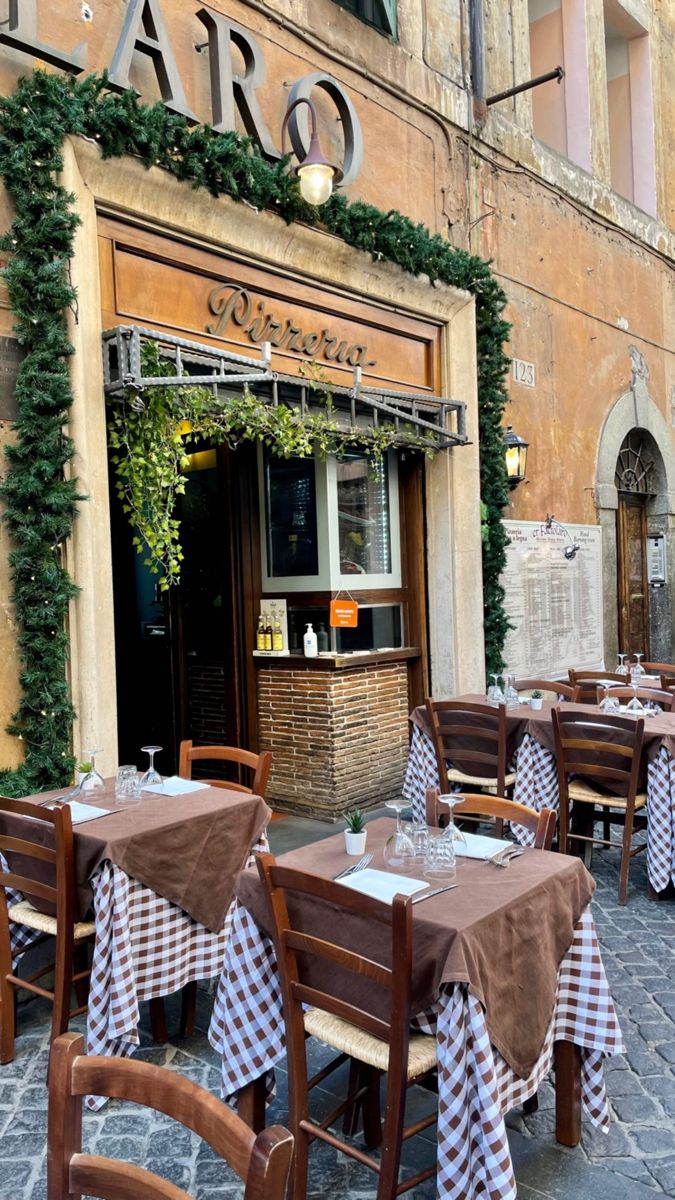
Monti is Rome's most design-forward rione — the wine bars, the vintage shops, the boutique energy — and its food scene follows the same logic. This is the neighborhood where you'll find chefs reinterpreting Roman classics rather than just repeating them, which means the usual "is this authentic enough" test matters less here than "is this actually good." If your idea of a great Roman meal is purely traditional, plan at least one dinner elsewhere. If you want a plate of cacio e pepe next to a natural wine list in a room that looks like it belongs in a design magazine, Monti is built for exactly that.
Campo de' Fiori & Centro Storico: Same Piazza, Two Different Economies
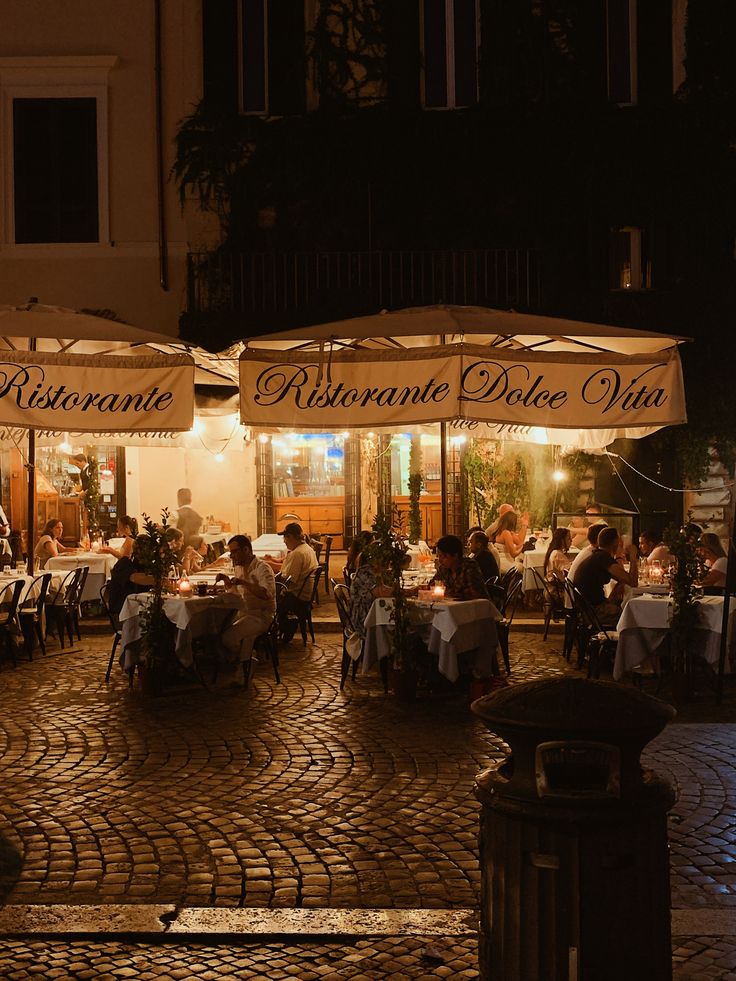
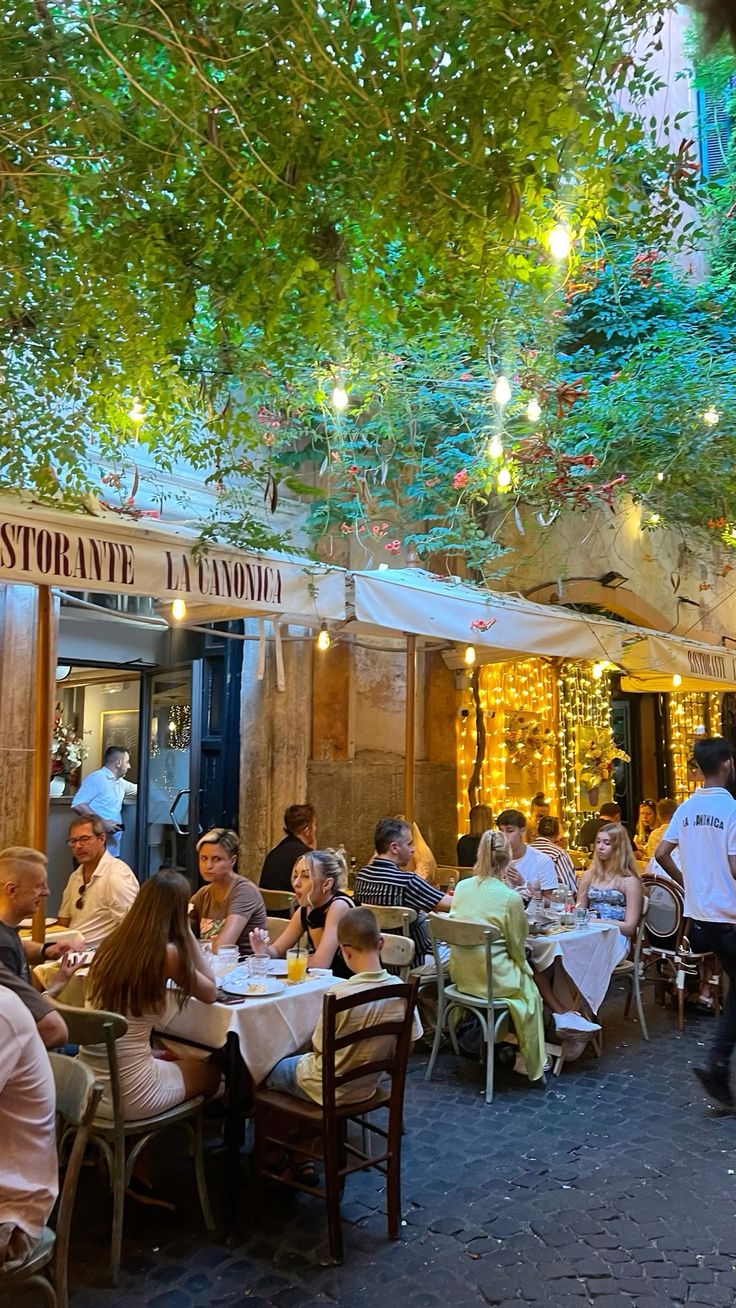
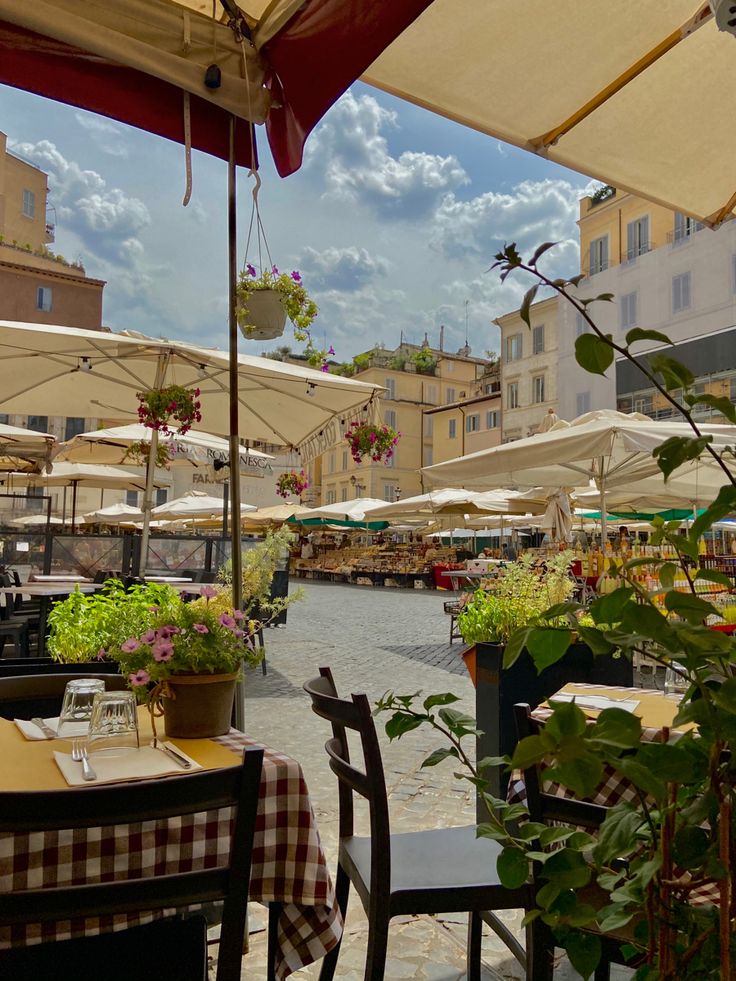
This is the one neighborhood where the checklist genuinely breaks down, because the same square runs on two completely different rules depending on the hour. In the morning, Campo de' Fiori is a working produce market — genuinely local, genuinely honest pricing. By evening, the bars ringing that same square shift into a tourist-priced circuit built for the aperitivo crowd. Walk five minutes toward the old Jewish Ghetto and the picture changes again: some of Rome's most distinctive cooking — carciofi alla giudia, a cuisine with its own centuries-long history — sits a few streets from some of the most tourist-optimized restaurants in the city. In this part of Rome, timing and turning one more corner matter more than any menu-reading trick.
Castro Pretorio: The Neighborhood the Station Stigma Hides
Anything near Termini gets written off by nearly every travel guide, and that reputation does Castro Pretorio a disservice. Pull back one or two streets from the station itself and you're in a genuinely lived-in neighborhood where office workers and residents — not tourists — decide which trattorias survive. That means real lunch prices, real portions, and a complete absence of the photo-menu, English-first setups that define station-adjacent dining everywhere else in Europe. It's also five to ten minutes by metro from the historic center, which makes it one of the better-value bases in the city for anyone who'd rather spend on the meal than the location.
Frequently Asked Questions
What are the essential dishes to try in Rome? The four defining Roman pastas are carbonara, cacio e pepe, amatriciana, and gricia — all built on a small set of ingredients (guanciale, pecorino romano, black pepper, sometimes tomato) rather than cream or heavy sauces. Beyond pasta, look for pizza al taglio (by the slice), supplì (fried rice croquettes), carciofi alla giudia (Jewish-Roman fried artichokes), and in Testaccio specifically, quinto quarto dishes like coda alla vaccinara and trippa alla romana, built from the offal cuts that fed the neighborhood's slaughterhouse workers a century ago.
How can you tell if a restaurant in Rome is a tourist trap? No single sign is definitive, but a menu with photos, an English-first presentation, a host actively inviting you in from the street, and a location directly on a major landmark square are all signals worth weighing together. The more of these appear at once, the more likely the kitchen is built for one-time visitors rather than repeat, local custom.
Do Romans eat dinner later than tourists expect? Yes — most Roman kitchens don't fully get going until 8pm, and many locals eat later still. A restaurant that's busy at 6:30pm in the historic center is very often busy with tourists, not Romans, which is itself a useful (if imperfect) signal.
Is tipping expected in Rome? Not in the way it is in the US. A service charge (coperto or servizio) is often already included; rounding up or leaving a small amount for excellent service is appreciated but not obligatory.
Which Rome neighborhood has the best food scene right now? There isn't a single answer — it depends on what you want. Testaccio and Trastevere lean traditional, Monti leans stylish and contemporary, Prati and Borgo lean calm and residential, and Centro Storico rewards knowing exactly when and where to walk. The strongest approach for a multi-day stay is spreading meals across two or three neighborhoods rather than committing to one.
The tourist-trap checklist you've read a dozen times isn't wrong — it's just incomplete, because it was written for a version of Rome that doesn't distinguish between neighborhoods. The real logic locals use is simpler and more specific: know who a kitchen is actually cooking for, and know that the answer changes street by street. That's easier to do when you're staying inside the neighborhood itself, with a kitchen of your own for the mornings and market runs, rather than in a hotel zone built entirely around one-time visitors.
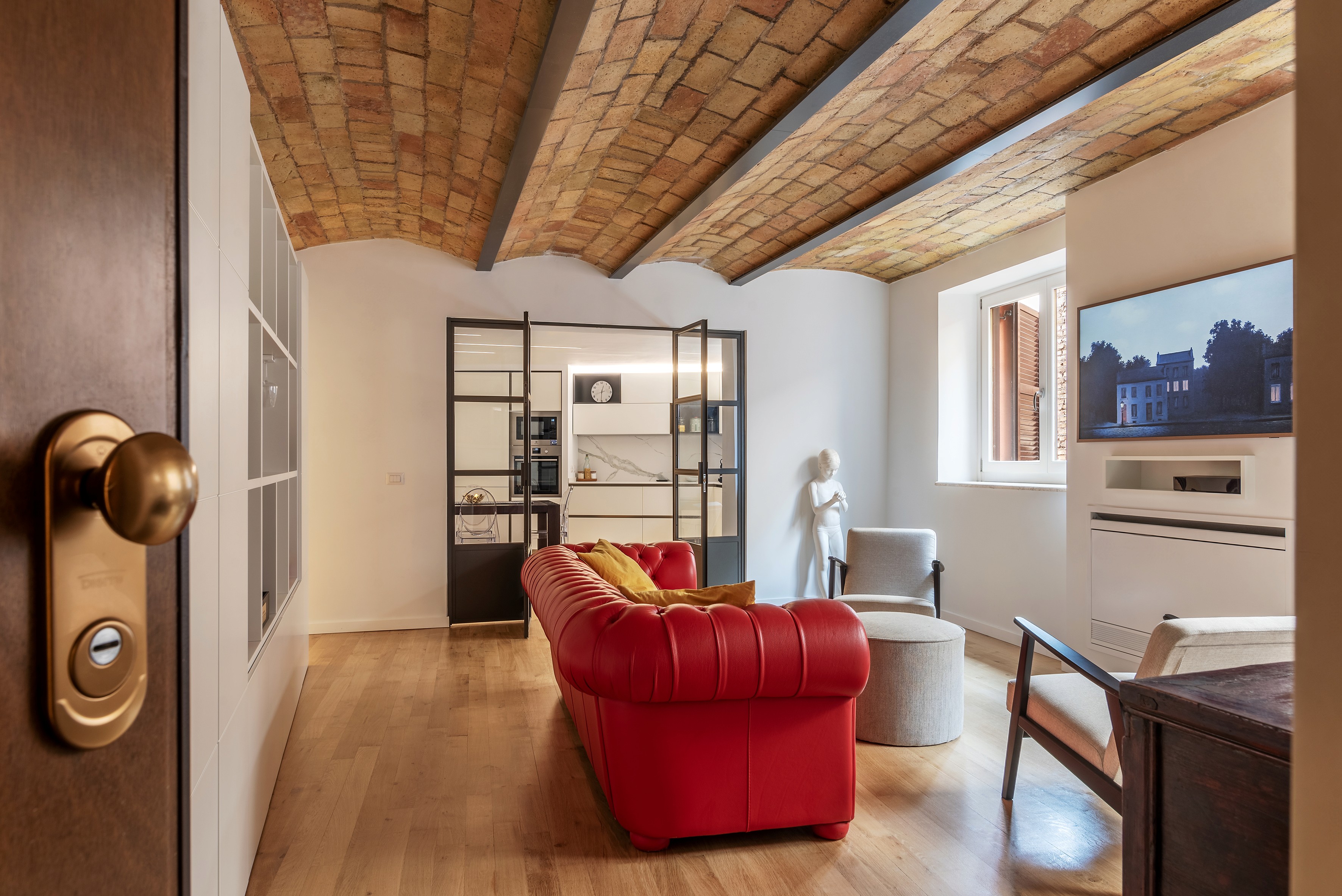
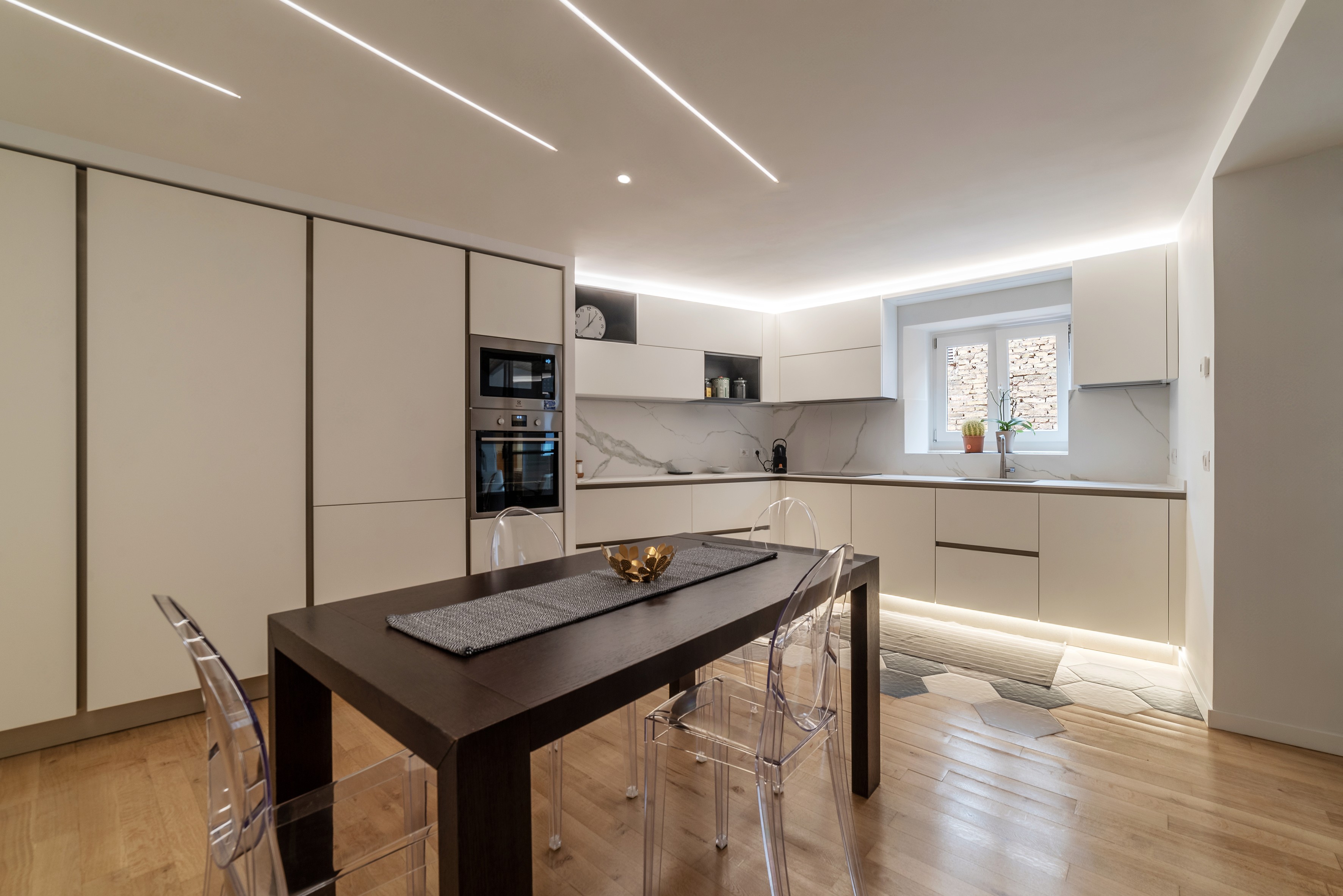
Every apartment in the Designd Stays Collection sits inside one of these real neighborhoods — not the landmark-adjacent tourist belt — because where you sleep shapes where you'll actually eat.

Find Your Dream STAY Today