

The Best Time to Visit Rome: Avoiding Crowds and High Prices in 2026
Back
The Best Time to Visit Rome: Avoiding Crowds and High Prices in 2026
Planning a trip to the Eternal City involves more than just picking a date on the calendar. To truly experience Rome—the quiet morning coffee at Piazza di Pietra, the lack of queues at the museums, and the personalized attention in local trattorias—you need a strategy. This guide breaks down the seasonality of Rome to help you maximize your budget and your experience.
The Strategy of "Shoulder Season" (April–May & September–October)
If you want the perfect balance of weather and crowd control, these months are your best bet.
Why it works: The scorching summer heat has either not arrived or has faded, making walking the historic center a pleasure rather than an endurance test.
Growth Tip: Book these months 4–6 months in advance. You get the best selection of our premium apartments before they are snapped up by early planners.
Winter in Rome: The "Secret" Luxury Experience (November–February)
Contrary to popular belief, winter is a fantastic time to visit if you know how to dress.
The Benefit: Significant price drops in accommodation and almost zero waiting time for major attractions like the Vatican Museums.
The Experience: Rome feels like it belongs to the locals again. You can enjoy the Christmas markets or the cozy atmosphere of a Roman enoteca without the noise of the summer masses.
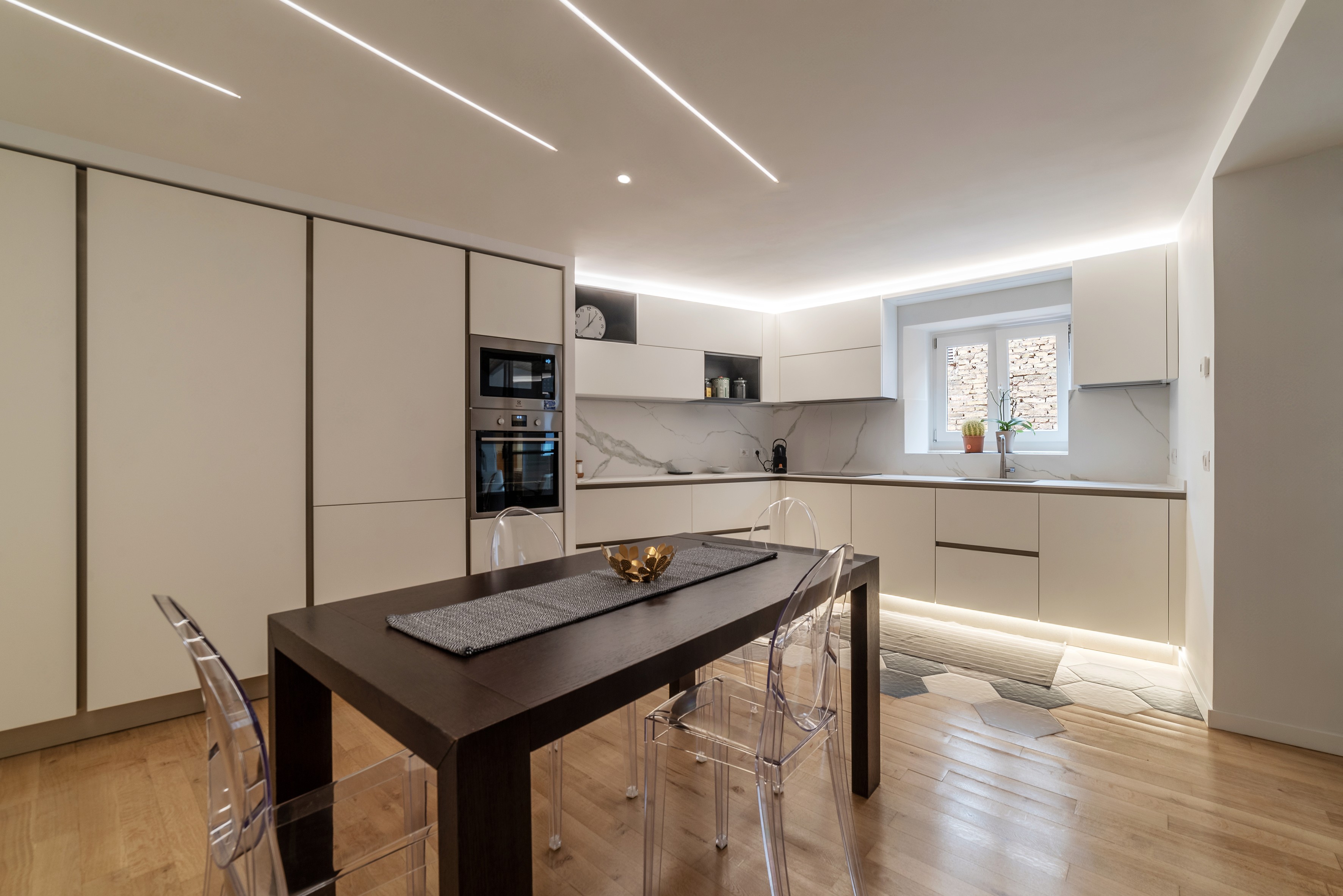
Apartment Advantage: Our apartments are equipped with modern climate control, ensuring your winter stay is warm, comfortable, and significantly more affordable than peak season.
Avoiding the "Peak Trap" (June–August)
While summer has its charm, it is undeniably the most crowded and expensive time to be in Rome.
The Challenges:
Crowds: Iconic spots become nearly inaccessible.
Heat: High temperatures can limit your sightseeing hours.
Cost: Dynamic pricing on all platforms reaches its yearly maximum.
Recommendation: If you must visit in summer, focus your activities on early mornings and late evenings. Ensure your accommodation has high-performance A/C (a must-have for comfort in the Roman heat).
Month-by-Month Snapshot Table
Month | Crowd Level | Pricing | Best For |
|---|---|---|---|
January/February | Very Low | Lowest | Budget travelers & museum lovers |
March/April | Moderate | Medium | Spring festivals & temperate weather |
May/June | High | High | Outdoor dining & events |
July/August | Very High | Peak | Nightlife & summer festivals |
September/October | High/Moderate | High | Perfect weather & cultural tours |
November/December | Low | Low | Holiday vibes & local authentic life |
Tactical Booking Tips for Growth-Minded Travelers
To secure the best rates and quality, follow these algorithmic-friendly habits:
Mid-Week Stays: If you can fly on a Tuesday or Wednesday, you will find lower rates and better availability than weekend-centric travelers.
Direct Booking: Often, booking through a direct site avoids the "service fee" overhead that major platforms add.
Check Local Calendars: Avoid major Italian holidays (like Ferragosto in August) if you are looking for a quiet experience, as many local businesses may close.
Frequently Asked Questions (FAQs)
Q: Is it worth visiting Rome in August?
A: Yes, if you love vibrant energy and don't mind the heat. Many locals leave the city, giving it a unique, slower pace, though some independent shops may be closed for holidays.
Q: Does it snow in Rome?
A: Very rarely. Winters are mild compared to Northern Europe, which makes walking tours pleasant with just a light coat.
Q: Are prices significantly lower in the off-season?
A: Yes. You can often save 30% or more on high-quality accommodation by traveling in February or November compared to July.
Q: How do I ensure my apartment is comfortable during the changing seasons?
A: Look for listings that explicitly state "Climate Control" or "Independent Heating/AC." All our managed properties are audited to ensure year-round comfort regardless of the Roman weather.



Find Your Dream STAY Today