

Stay Safe in Rome: The Ultimate Guide to Avoiding Common Scams in 2026
Back
Stay Safe in Rome: The Ultimate Guide to Avoiding Common Scams in 2026
Visiting the Eternal City is a dream come true, but like any major metropolitan hub, Rome requires a bit of "street smarts." Whether you are staying in a luxury apartment near the Pantheon or a chic loft in Prati, being informed is your best defense. This guide will help you navigate Rome with confidence, ensuring your only memories are of world-class art and incredible pasta.
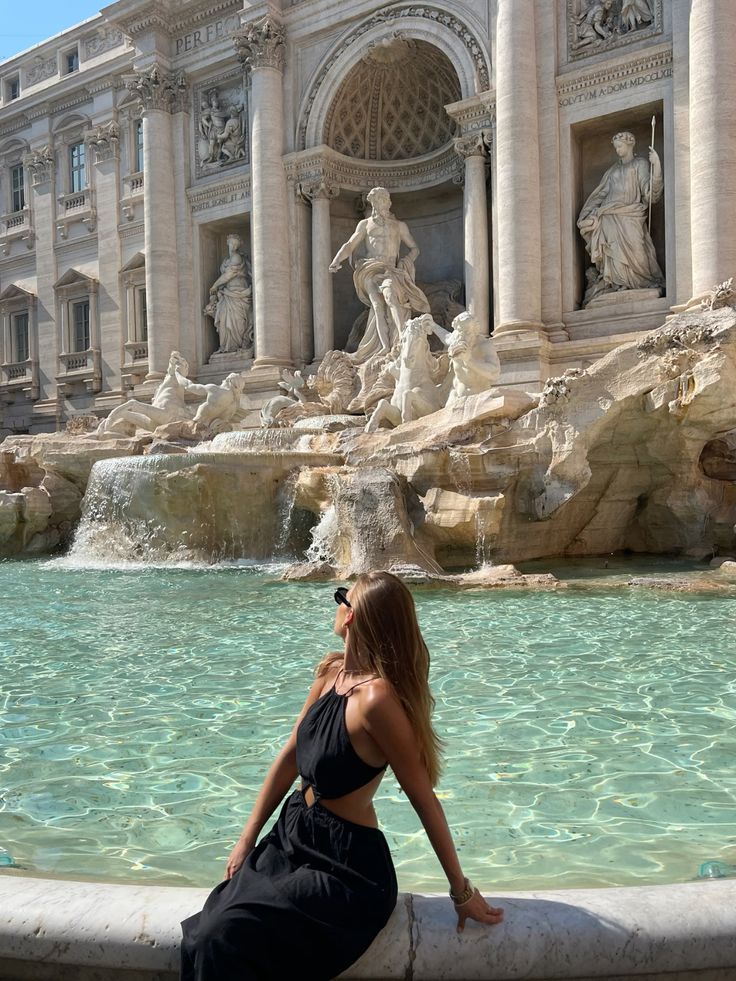
1. Understanding the "Friendly Stranger" Scam
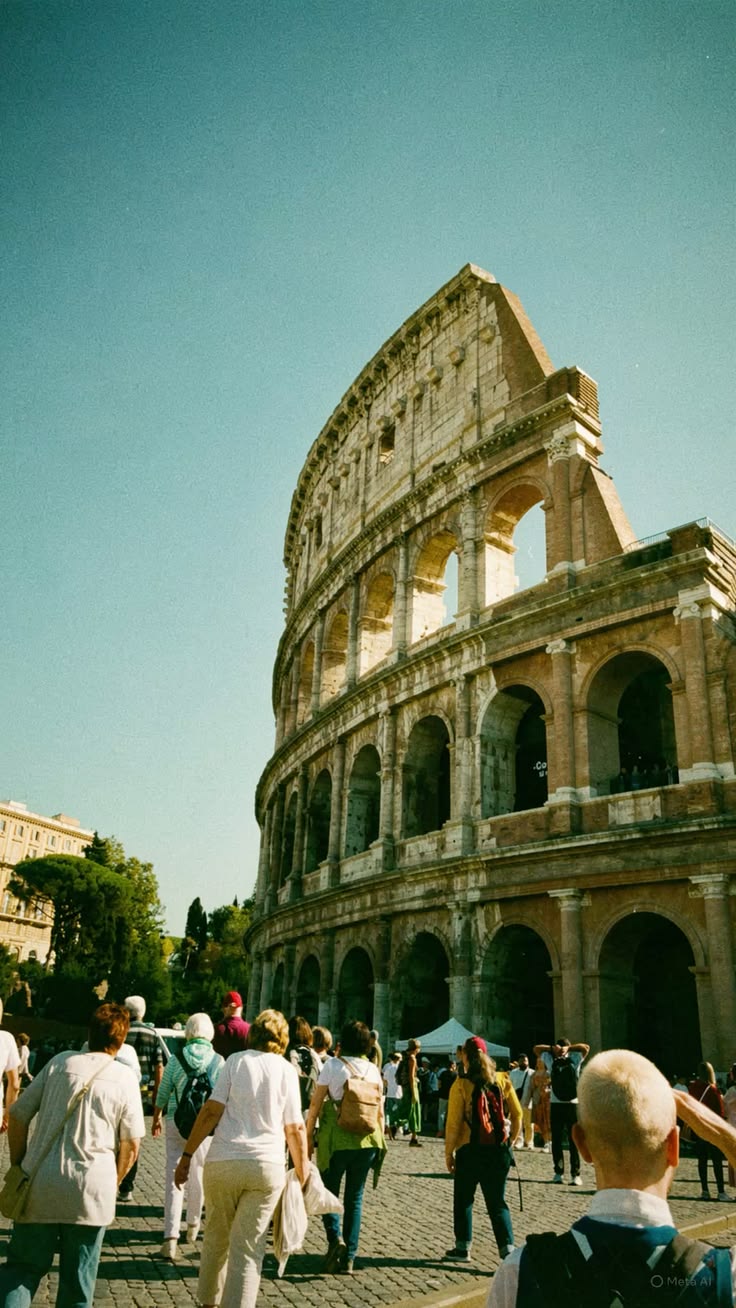
One of the most common tricks in tourist-heavy areas like the Colosseum or Termini Station is the "helpful stranger."
The Scenario: A person approaches you to offer directions or help you with your luggage without being asked.
The Hook: They may demand payment for this "service" or attempt to distract you while an accomplice picks your pockets.
How to stay safe: Politely but firmly say "No, grazie" and keep walking. Always keep your bags in front of you in crowded areas.
2. The "Free" Gift Trap
You may encounter people offering "free" friendship bracelets, roses, or trinkets.
The Trap: Once the item is in your hand or tied to your wrist, the "giver" will demand money, often becoming aggressive if you refuse.
Strategic Advice: Never accept anything handed to you in the street. Keep your hands in your pockets or holding your phone/bag.
3. Taxi Precautions: Avoid "Tourist Rates"
Taxis are essential, but you should always use official white municipal taxis.
The Rule: Ensure the taximeter is turned on as soon as you enter. If a driver tells you the meter is "broken" or offers a flat, suspiciously high rate, decline the ride.
Growth Tip: Use official apps like FreeNow or ItTaxi to track your route and ensure fair pricing.
4. Navigating Public Transport and "The Squeeze"
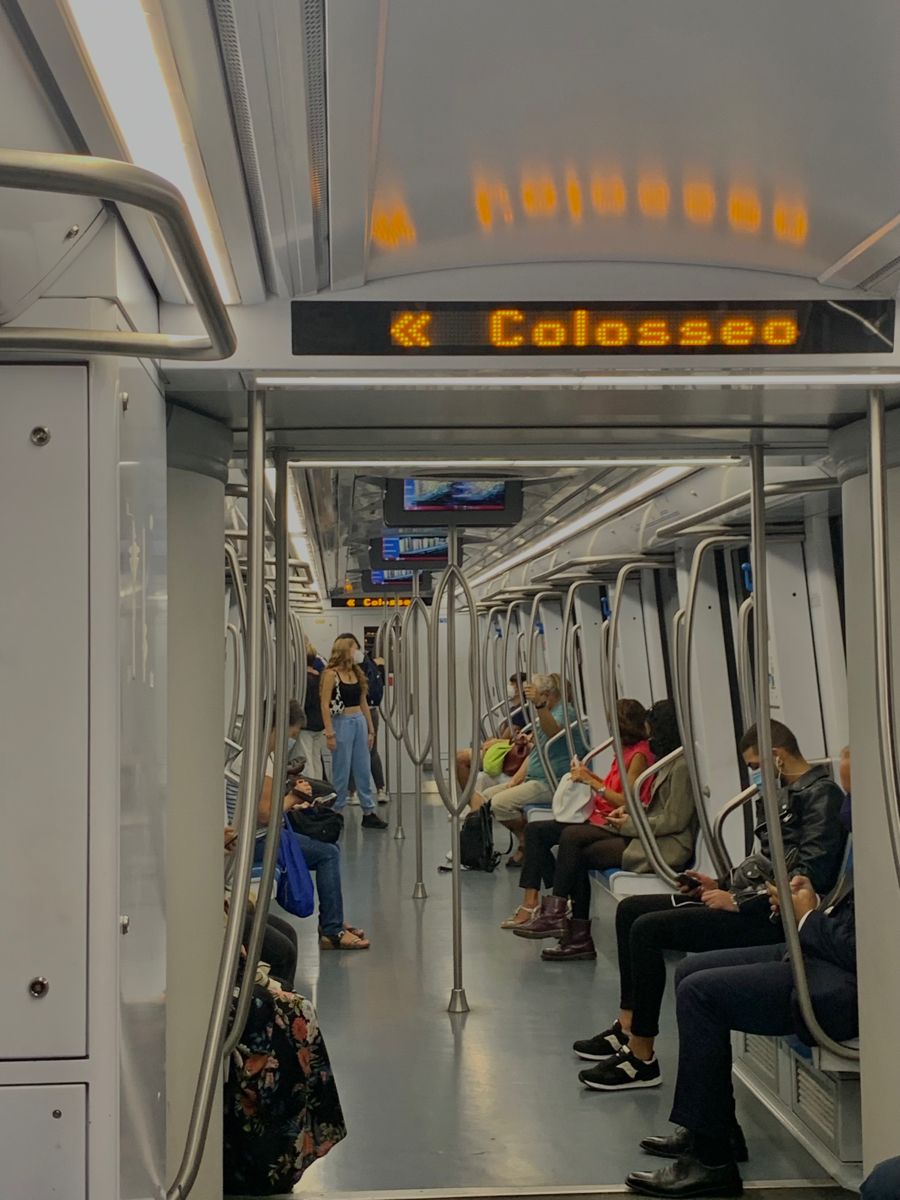
Pickpockets thrive in the "squeeze"—the moment people crowd onto a bus or metro train.
Hotspots: Bus 64 (often called the "Pickpocket Express") and the Metro Line A.
Best Practice: Always wear your backpack on your chest when entering crowded public transport. Keep your wallet and phone in internal pockets, never in back pockets.
5. Dining Etiquette: Avoiding Hidden Charges
Most Roman restaurants are honest, but the tourist traps rely on "menu confusion."
The Trap: Pane e Coperto (bread and cover charge) is standard, but check the menu for excessive "service charges" (servizio).
Pro Tip: Ask for the menu in Italian if possible, or look for trattorias slightly tucked away from the main piazzas. Always verify the price of "daily specials" before ordering.
6. ATM and Currency Exchange Safety
Use bank-affiliated ATMs rather than standalone machines in souvenir shops.
The Risk: Independent ATMs often have high fees and "dynamic currency conversion" scams that offer a terrible exchange rate.
The Strategy: Always choose to be charged in the local currency (EUR) by the bank, not the machine's conversion rate.
7. Digital Safety for the Modern Traveler
Since you’ll likely be using your phone to navigate Rome, keep your digital presence secure.
Public Wi-Fi: Avoid logging into banking apps on public or hotel-provided Wi-Fi without a VPN.
Safety Apps: Download a local emergency app or save the number for the nearest consulate.

Frequently Asked Questions (FAQs)
Q: Is Rome safe at night?
A: Generally, yes. The main historic areas are well-lit and populated. Stick to well-traveled streets and avoid dark alleys late at night.
Q: Should I carry my passport everywhere?
A: It is legally required to have ID, but a photocopy or a digital photo of your passport is usually sufficient for daily activities. Keep your original in a secure safe in your apartment.
Q: How do I identify a scammer versus a local?
A: Romans are generally busy and keep to themselves. If someone is overly aggressive in trying to get your attention for a "service," treat it with skepticism.
Q: What is the best way to book an apartment safely?
A: Only book through reputable platforms or direct sites that offer secure payment gateways and verified reviews. Avoid "too good to be true" offers on social media.




Find Your Dream STAY Today