

Rome's Overtourism Crisis in 2026: The Neighborhoods That Still Feel Like Rome
Back
Rome's Overtourism Crisis in 2026: The Neighborhoods That Still Feel Like Rome
If you've opened TikTok this summer, you've probably already seen it: rivers of people shuffling shoulder-to-shoulder past the Pantheon, tourists filming themselves unable to move at the Trevi Fountain, visitors joking that they came to Rome to escape crowds and found the exact same crowds they left at home.
It's not an exaggeration. 2026 has been a record year for tourism in Italy, with Rome pulling ahead of London, Paris, and Barcelona in arrivals for six straight months. The city has responded the only way it can — a €2 fee just to get close to the Trevi Fountain, timed reservations at the Pantheon, and a steady stream of headlines about a historic center that residents say is starting to feel like "an overcrowded theme park."
None of that means you should cancel your trip. It means you should be smarter about where in Rome you actually sleep.
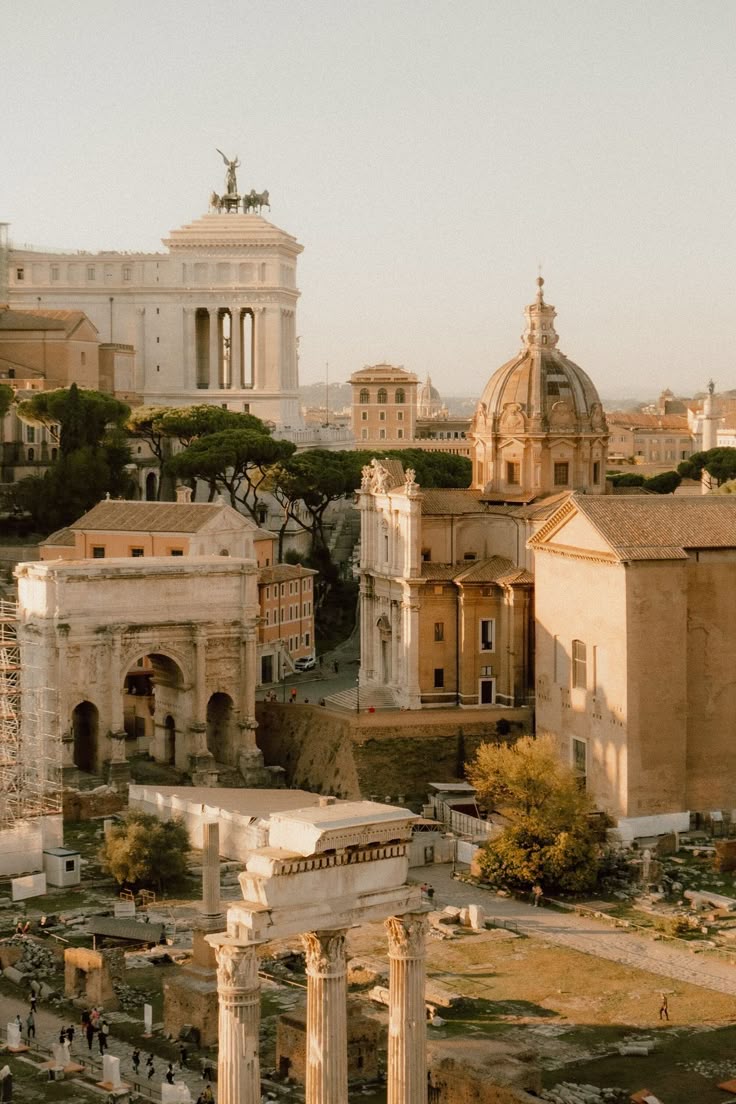
Why everyone ends up in the same six streets
Here's the part almost nobody explains clearly: overtourism in Rome isn't really a city-wide problem. It's a corridor problem.
The overwhelming majority of visitors — and the overwhelming majority of hotels and short-term rentals — are packed into the same half-square-mile: the strip between Piazza Navona, the Pantheon, and the Trevi Fountain. That's where the postcard photos live, so that's where everyone books, which means that's where everyone gets stuck in the crowd they were trying to avoid.
Meanwhile, a fifteen-minute walk in almost any direction puts you in a neighborhood with the same cobblestones, the same golden light, the same two-thousand-year-old layers of history — and a fraction of the foot traffic.
This is the actual insider knowledge Romans have always had and most first-time visitors don't: you don't need to stay in the postcard to be near it. You need to stay next to it.
The neighborhoods absorbing the overflow — in a good way
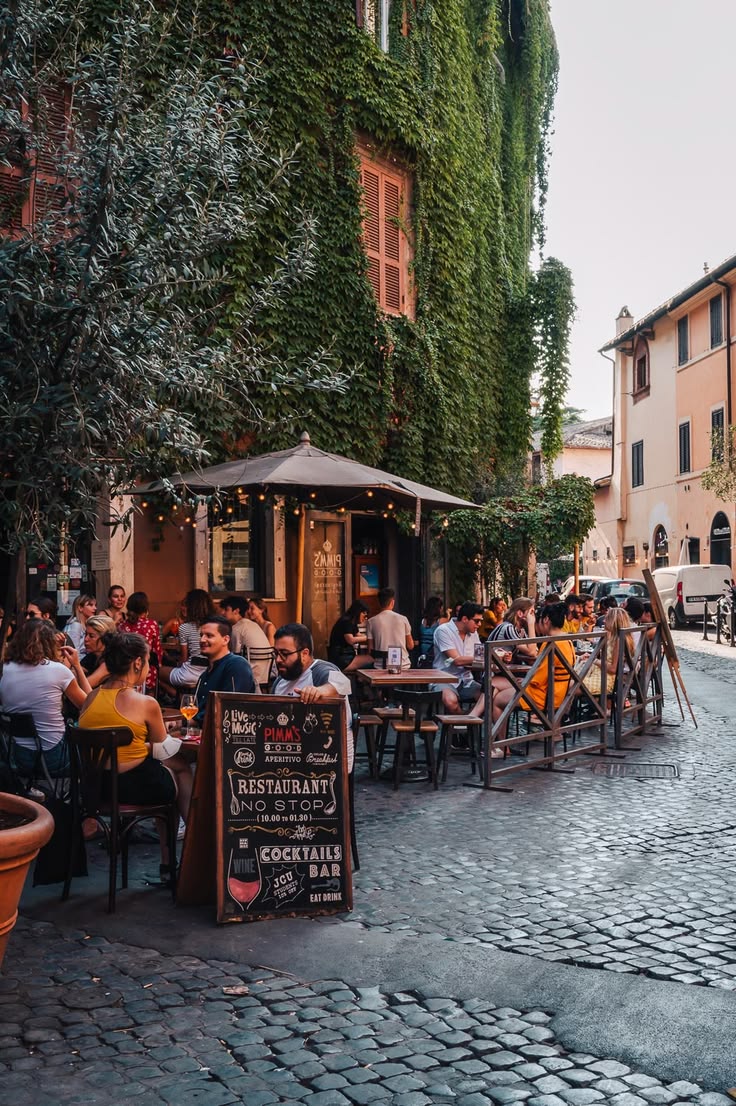
Trastevere
Ask any Roman where they'd take a first date or a Sunday lunch, and Trastevere comes up before the centro storico does. Narrow lanes, ivy over doorways, trattorias with no English menu, and a river that separates you just enough from the crush across the Tiber. It's authentic enough that it draws its own tourism now, but its layout — a maze, not a grid — naturally spreads people out instead of funneling them into one piazza.
Prati
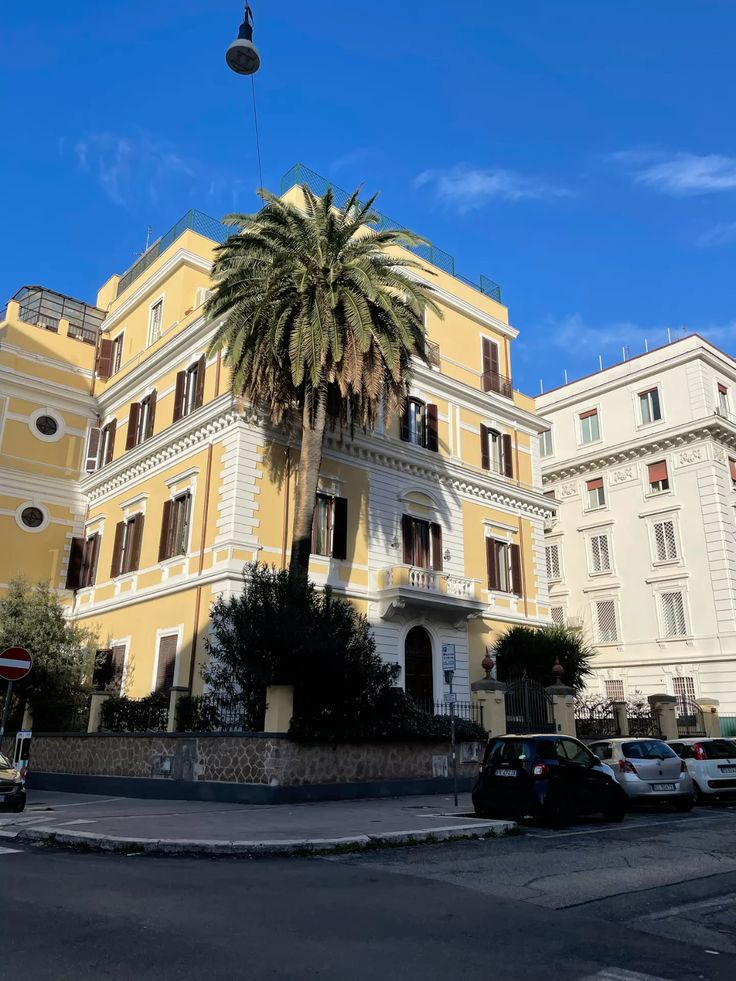
Directly across the river from the Vatican, Prati is what Rome looks like when it's dressed for a normal Tuesday: wide Umbertine boulevards, real bakeries, wine bars full of Romans rather than tour groups. You're a ten-minute walk from St. Peter's Square and the Vatican Museums, but you come home to a neighborhood, not a queue.
Monti
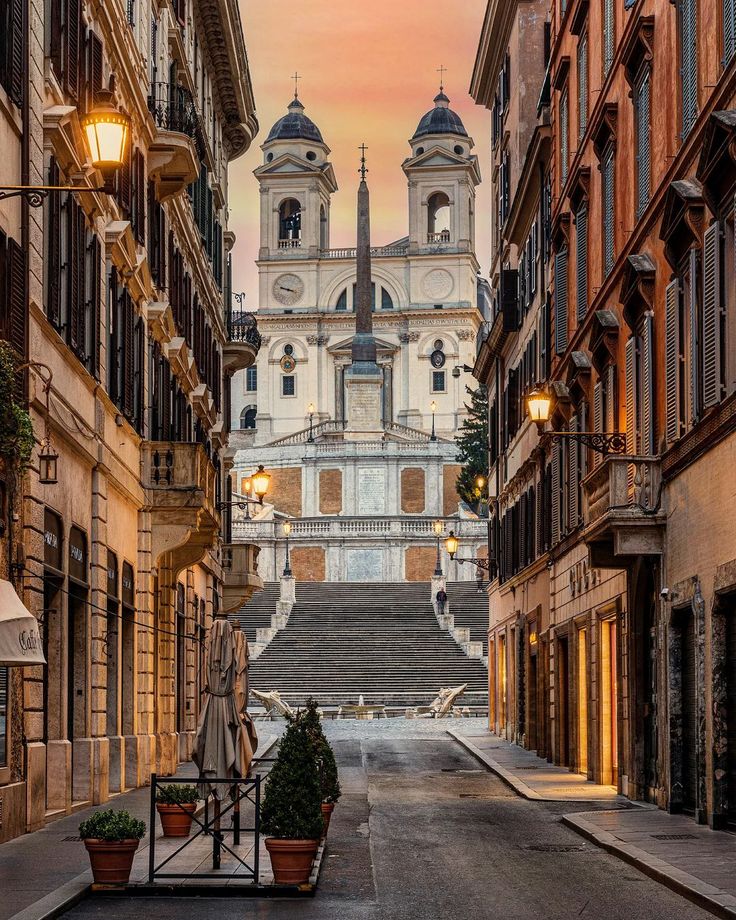
Rome's oldest rione, sitting just behind the Colosseum and the Forum, has quietly become the city's best-kept secret for people who want proximity without the chaos. Vintage boutiques, aperitivo spots locals actually go to, and the ancient ruins are a walk away, not a metro ride.
Borgo
Squeezed between Castel Sant'Angelo and the Vatican walls, Borgo is one of the last medieval pockets of Rome that hasn't been fully absorbed into the tourist machine — despite sitting closer to St. Peter's than almost anywhere else you could book.
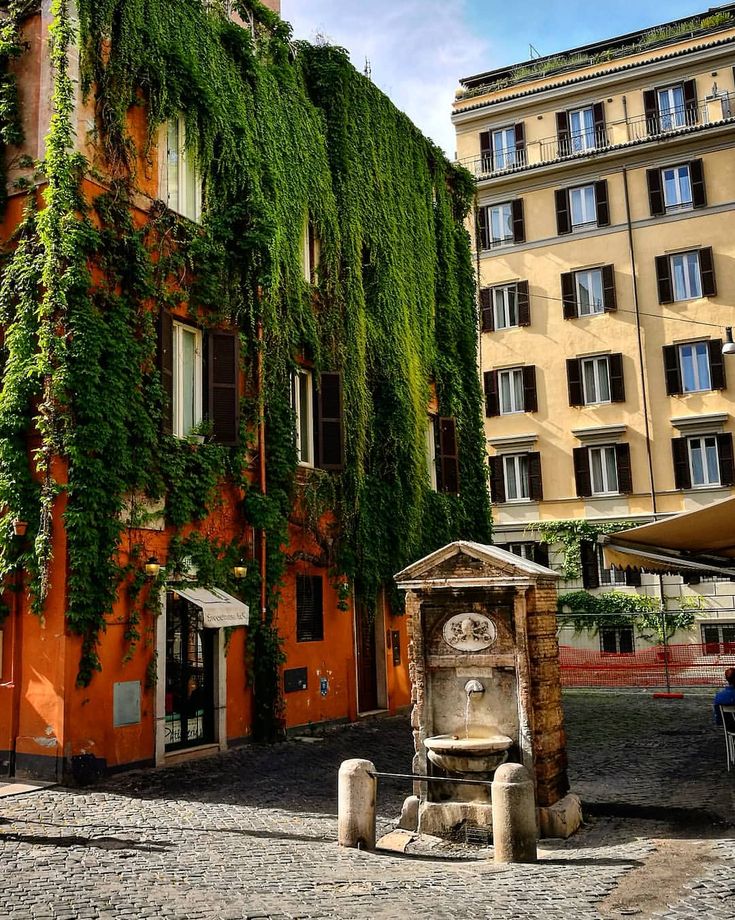
Flaminio
North of the historic center, near Piazza del Popolo and the Auditorium Parco della Musica, Flaminio is where Romans live when they want green space, a slower pace, and easy tram access into the center without the density.
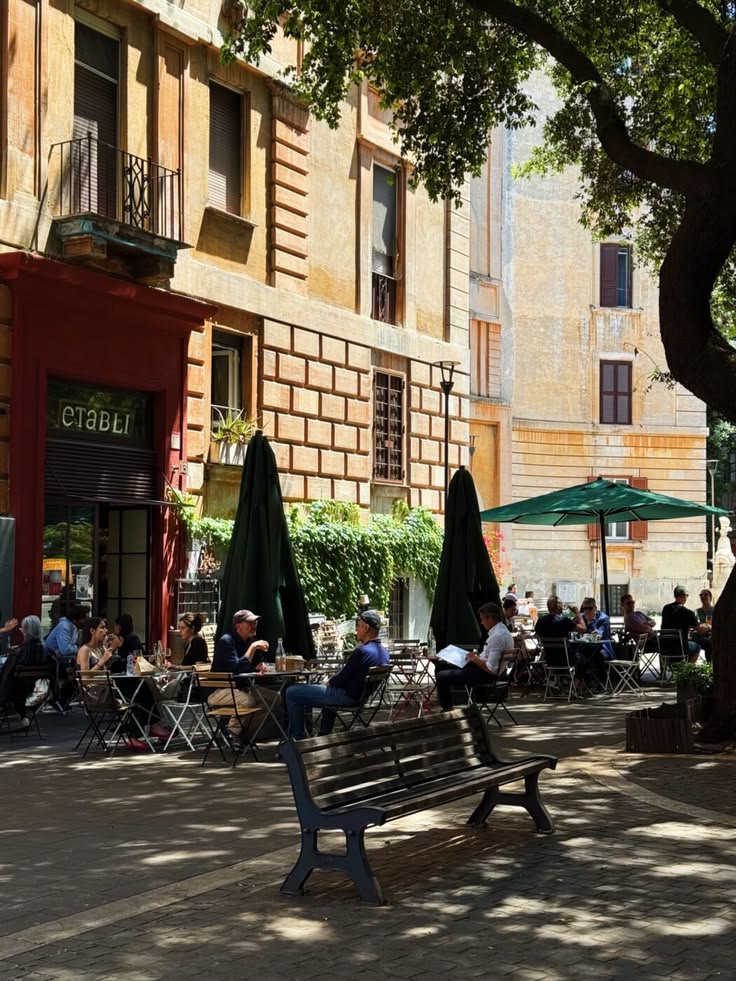
Campo de' Fiori
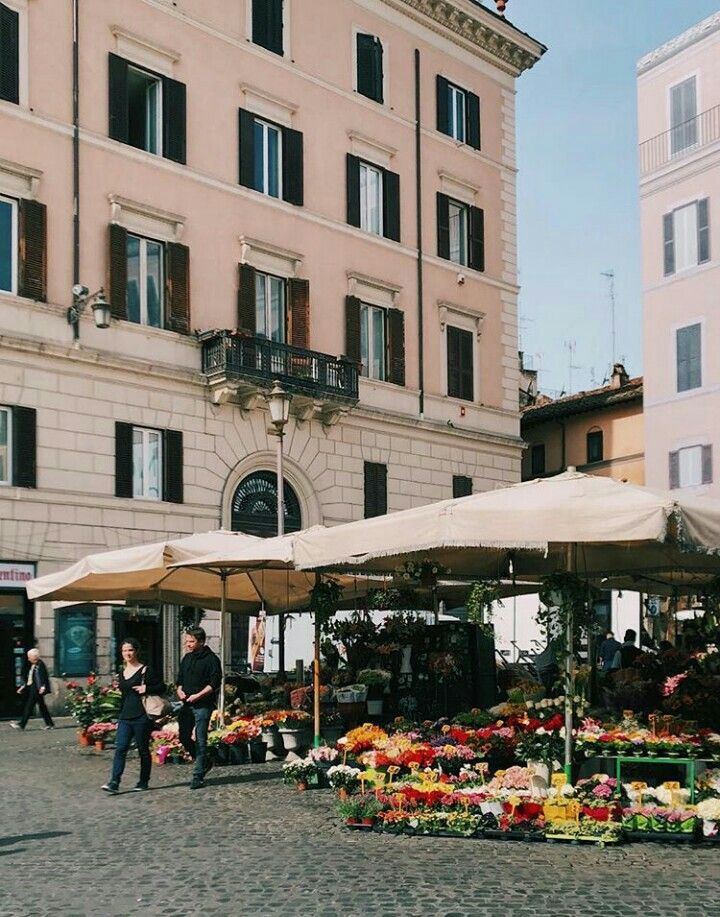
Yes, it's inside the historic center — but it's the market-square side of it, where mornings still belong to fruit vendors and butchers rather than tour groups, and evenings shift to a genuinely local aperitivo scene once the day-trip crowds head back to their coach buses.
What this means if you're planning a 2026 trip
The instinct when a city gets more crowded is to book closer to the action. In Rome in 2026, that instinct works against you. The smarter move — and increasingly, the move locals themselves make when recommending the city to friends — is to book in a neighborhood with its own identity and let the historic center be a destination you walk into, not a place you're trapped inside.
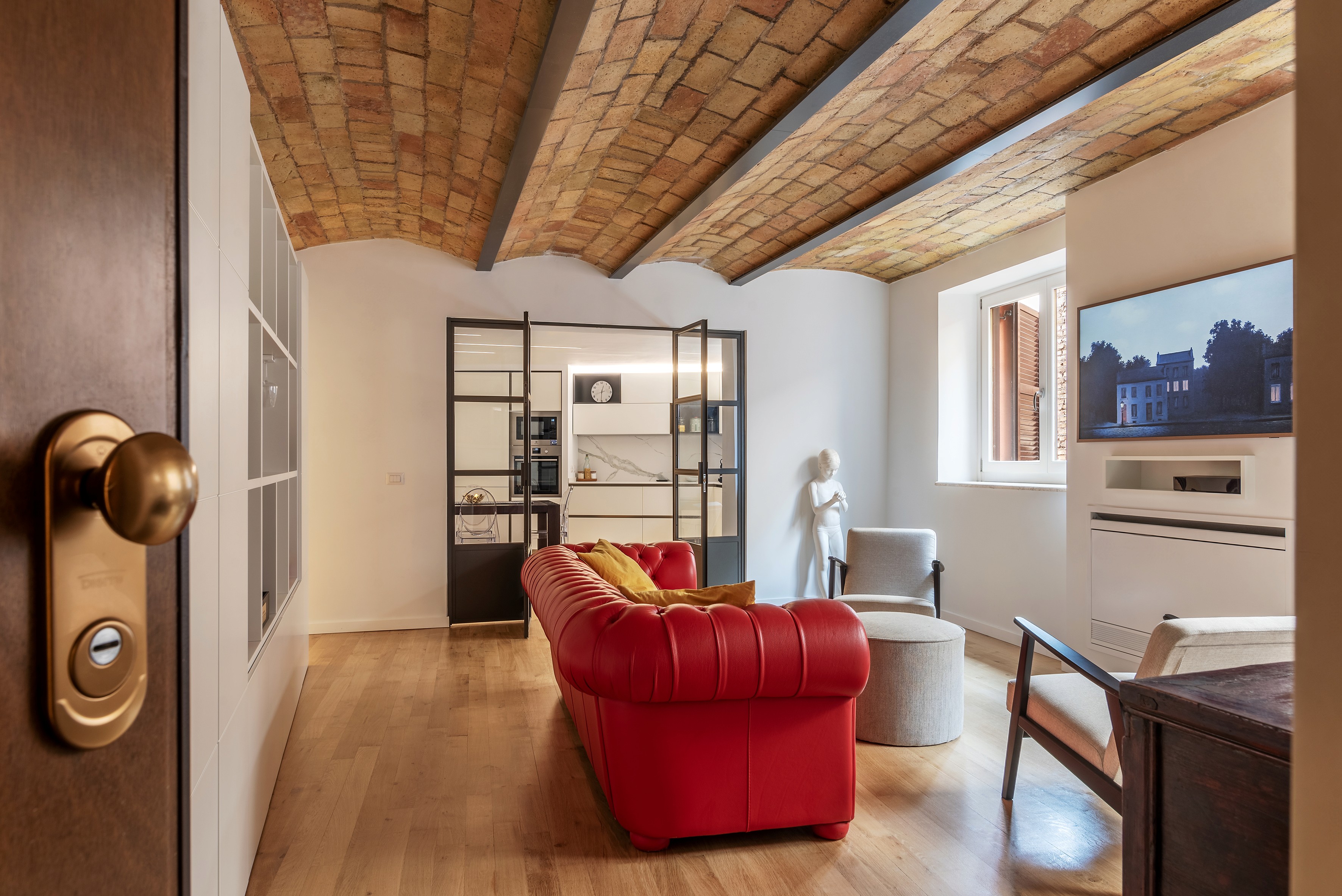
That's the philosophy behind every property in the Designd Stays Collection: apartments in Prati, Trastevere, Monti, Borgo, and Flaminio, each named for the history of the street it sits on, so you're never more than a short walk from the Rome everyone comes to see — and always a step away from the crowd trying to see it at the same time as you.
Frequently Asked Questions
Is Rome too crowded to visit in 2026? No, but the historic center around the Pantheon, Trevi Fountain, and Piazza Navona is experiencing record crowding. Staying in an adjacent neighborhood like Trastevere, Prati, or Monti lets you reach those sites on foot while avoiding the worst congestion.
Where do locals recommend staying in Rome right now? Romans consistently point visitors toward Trastevere, Prati, and Monti — neighborhoods close enough to walk into the historic center, but with their own restaurants, markets, and daily life that isn't built around tourism.
Is Trastevere still a good choice, or has it gotten too touristy too? Trastevere draws its own visitors, but its narrow, irregular medieval streets naturally spread foot traffic out, unlike the single funnel points around Trevi and the Pantheon. It remains one of the most authentic bases in the city.
What's causing the overtourism spike in Rome in 2026? Italy has recorded six consecutive months of tourism growth in 2026, with Rome outpacing other major European capitals in arrivals. The city has introduced entrance fees at the Trevi Fountain and timed reservations at the Pantheon in response to the surge.

Find Your Dream STAY Today