
Rome Off-Season: Why November–February Might Be the Best Time to Visit
Back
Rome Off-Season: Why November–February Might Be the Best Time to Visit
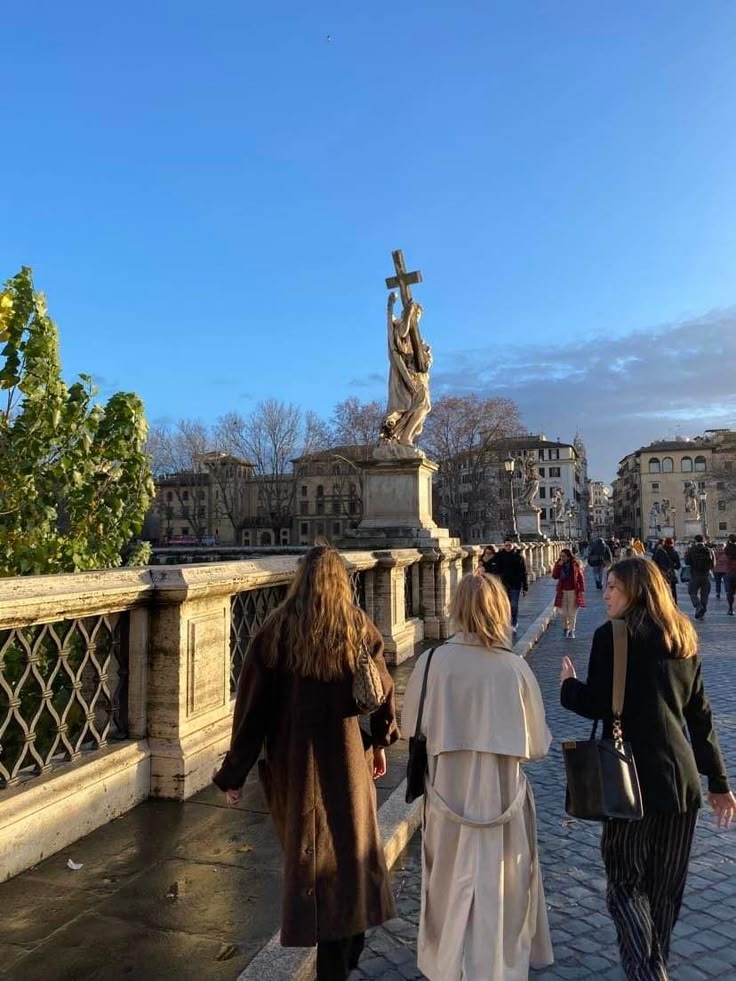
Everyone plans the same Rome trip. They book May or September, chase the "shoulder season" everyone recommends, and then stand in the same lines as ten thousand other people who read the same advice. There's a quieter version of this city that exists for exactly four months a year, and almost nobody talks about it: Rome between November and February, when the crowds thin out, the light turns gold and low across the Tiber, and the city stops performing for tourists and just goes back to being itself.
Quick Answer
Rome's off-season — roughly November through February, excluding the Christmas and New Year holiday weeks — offers meaningfully shorter lines at major sights, a calmer and more local atmosphere in neighborhoods that feel overrun in summer, and generally more favorable accommodation rates than peak season. Weather is mild rather than harsh: daytime temperatures typically sit in the 8–15°C (46–59°F) range, with rain more likely than snow. For travelers who value experience over checking boxes, and who don't need a beach-day complement to their city trip, it's arguably Rome at its best.
The Case for Visiting Rome in the Off-Season
The City Belongs to Romans Again
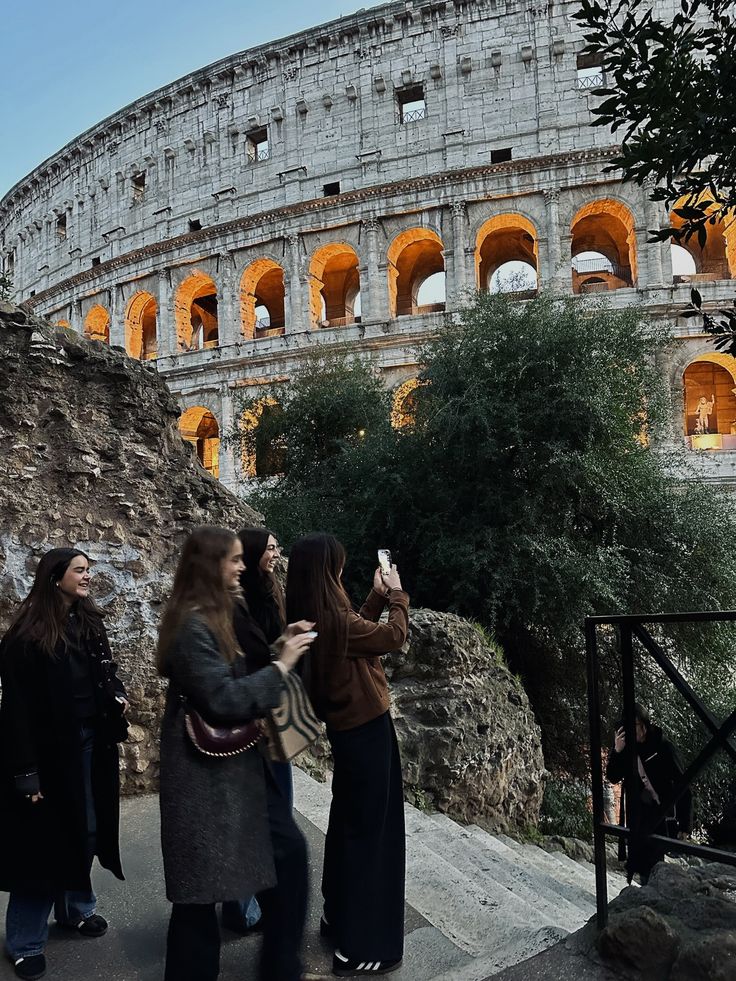
Summer Rome and winter Rome are almost two different cities. In July and August, the historic center is a river of tour groups, the Trevi Fountain is a wall of raised phones, and finding an outdoor table without a wait requires strategy. In the off-season, the same streets are walkable at a human pace. You can stand in front of the Pantheon for a full minute without being jostled. Neighborhood trattorias that spend the summer turning tables every 45 minutes suddenly have time to talk. This is the version of Rome that residents actually recognize.
Shorter Lines, Real Time Inside
The Colosseum, Vatican Museums, and Borghese Gallery don't get less spectacular in winter — they get more accessible. Wait times drop substantially outside peak season, which means more of your visit is spent actually looking at the Sistine Chapel ceiling instead of standing in a queue for it. For travelers who dislike the pressure of timed-entry tickets and shuffling crowds, the off-season transforms these sites from an endurance test into an actual experience.
A More Favorable Accommodation Market
Off-season demand is lower across the board, and accommodation pricing reflects that — well-located apartments that command premium rates in June or during major events are simply easier to book, often at better value, from November through February. For travelers who prioritize a specific neighborhood or a particular level of space and comfort, the off-season is frequently the easiest time of year to secure it without months of advance planning or paying a peak-season premium.
Christmas in Rome Is Its Own Reason to Go
Early-to-mid December brings a genuinely festive Rome: nativity scenes (presepi) installed in churches across the city, Christmas markets in piazzas like Piazza Navona, and a warmth to the historic center that summer heat doesn't allow for. St. Peter's Square typically hosts a large nativity display and Christmas tree through early January, and the city's churches — many of them free to enter year-round — take on an extra layer of atmosphere during Advent. This window fills up fast with locals and in-the-know travelers, so it's worth treating as its own micro-season within the off-season.
The Jubilee Crowds Have Passed
Rome's 2025 Jubilee Holy Year, which brought millions of additional pilgrims to the city, officially closed with the sealing of the Holy Door at St. Peter's Basilica on January 6, 2026. Travelers who avoided Rome in recent years specifically to dodge Jubilee-related crowds and pricing no longer need to factor that into planning — the city's rhythms, including its off-season calm, have returned to their normal pattern.
What to Actually Expect: Weather and Daylight
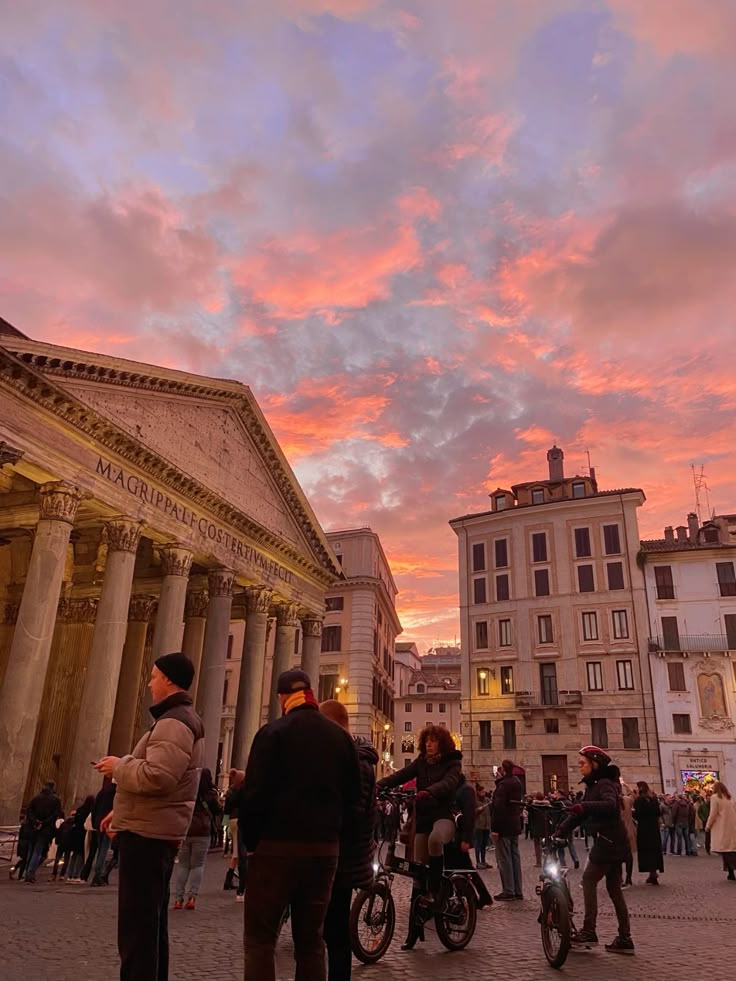
Winter in Rome is genuinely mild by Northern European or North American standards. Snow is rare and rarely sticks. Expect daytime temperatures generally between 8–15°C (46–59°F), cooler mornings and evenings, and a real chance of rain, particularly in November and December — pack a proper layer and a compact umbrella rather than heavy winter gear. Daylight hours are shorter, with sunset as early as mid-afternoon in December, which has its own upside: golden hour over the rooftops arrives while you're still out sightseeing, not after dinner.
How to Plan an Off-Season Rome Trip
Choose Your Window Carefully
Not all of "off-season" is equal. Late November and the first half of December are the quietest, most affordable stretch. The week around Christmas and New Year sees a distinct spike in both crowds and pricing as the city fills with holiday travelers, so treat it more like a mini high season. January (after New Year) through mid-February is arguably the single quietest, most affordable window of the entire calendar year.
Book Indoor Experiences You'd Skip in Summer
Off-season is the ideal time for the museums, churches, and galleries that feel like a chore to queue for in July. It's also a good season to slow down and do the things that require unhurried attention — a long lunch, a proper coffee break people-watching in a piazza, wandering without a fixed itinerary.
Lean Into a Real Local Rhythm
With a well-located apartment as a base — rather than a hotel room you're only in to sleep — winter is the season where staying somewhere with a kitchen and a living space genuinely changes the trip. Cold, rainy evenings are better spent cooking something simple with ingredients from a local market and watching the city from your own window than searching for a restaurant table in the wind. It's also the season where self check-in matters most: arriving to a quiet, ready apartment beats waiting at a front desk on a dark December evening.
Off-Season vs. Peak Season at a Glance
Factor | Off-Season (Nov–Feb, excl. holidays) | Peak Season (Jun–Aug) |
|---|---|---|
Crowds at major sights | Noticeably lighter | Heaviest of the year |
Weather | Mild, 8–15°C, rain likely | Hot, often 30°C+, dry |
Accommodation availability & value | More favorable, easier to book | Tightest, premium pricing |
Atmosphere | Local, unhurried | Tourist-dense, high energy |
Daylight | Shorter days, early golden hour | Long days, late sunset |
Best for | Culture, food, slow travel, photography | First-time sightseeing marathons, outdoor dining |
Frequently Asked Questions
Is Rome worth visiting in winter? Yes — winter is one of Rome's most underrated seasons. Major sights are dramatically less crowded, the weather is mild rather than extreme, and the city's neighborhoods feel more authentically local without the summer tourist volume.
What is the coldest month to visit Rome? January is typically Rome's coolest month, with daytime temperatures generally in the 8–12°C (46–54°F) range. It rarely drops below freezing, and snow is uncommon.
Is Rome crowded in December? It depends on the week. Early-to-mid December is relatively calm and increasingly popular for its Christmas atmosphere without major crowding. The days immediately around Christmas and New Year see a distinct increase in both visitors and pricing, closer to a mini high season than the rest of the off-season window.
Do I need to book Rome attractions in advance during the off-season? Lines are shorter, but popular sites like the Vatican Museums still benefit from a pre-booked, timed-entry ticket to skip the check-in queue entirely. It's a lighter lift than peak season, not a reason to skip planning altogether.
Is it too cold to enjoy outdoor sightseeing in Rome in winter? No — Rome's winter climate is comparable to a mild autumn in much of Northern Europe or the northeastern United States. Comfortable walking weather is the norm, with rain being a more frequent consideration than cold.



Find Your Dream STAY Today