
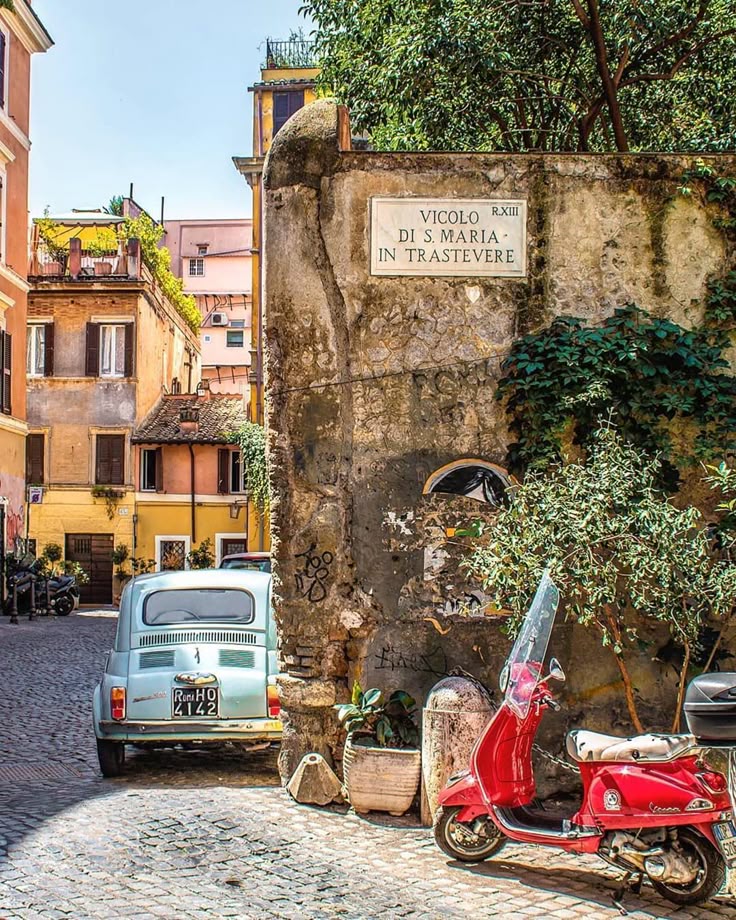
Rome in August 2026: The Ferragosto Survival Guide (And Why It's Secretly a Great Time to Visit)
Back
Rome in August 2026: The Ferragosto Survival Guide (And Why It's Secretly a Great Time to Visit)
There's a piece of travel advice that gets repeated so often it's become gospel: "Don't go to Rome in August, everything closes." It's not entirely wrong — but it's not the full story either, and the people repeating it usually haven't accounted for what actually happens on the ground during Ferragosto.
Here's what's real, what's myth, and why the week around August 15, 2026 might be one of the smartest times all year to be in the city.
What Ferragosto actually is
Ferragosto falls on Saturday, August 15, 2026. It's a national holiday tied to the Catholic Feast of the Assumption, but its roots go back much further — to the Feriae Augusti, a period of rest that Emperor Augustus himself established in 18 BC to mark the end of the harvest. Two thousand years later, Italians still treat mid-August as the moment to leave the city, and Romans are no exception.
What actually closes
The "everything shuts down" warning has a real basis: roughly 70% of non-tourist-facing businesses in Rome close for one to three weeks around August 15. That means:
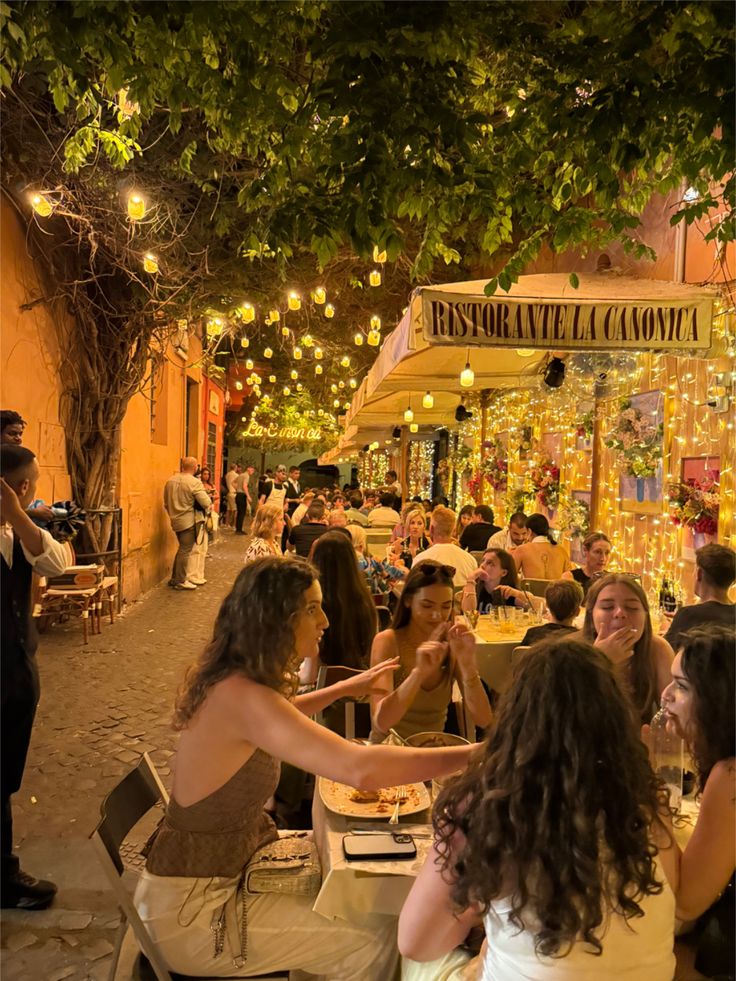
Neighborhood trattorias and family-run restaurants outside the main tourist areas
Small local shops, dry cleaners, mechanics, and personal services
Some local markets and artisan workshops
The Vatican Museums and Sistine Chapel, specifically closed on August 14 and 15, 2026
What stays open
This is the part the "Rome shuts down" crowd usually skips:
The Colosseum, Roman Forum, and Palatine Hill run on their normal schedule
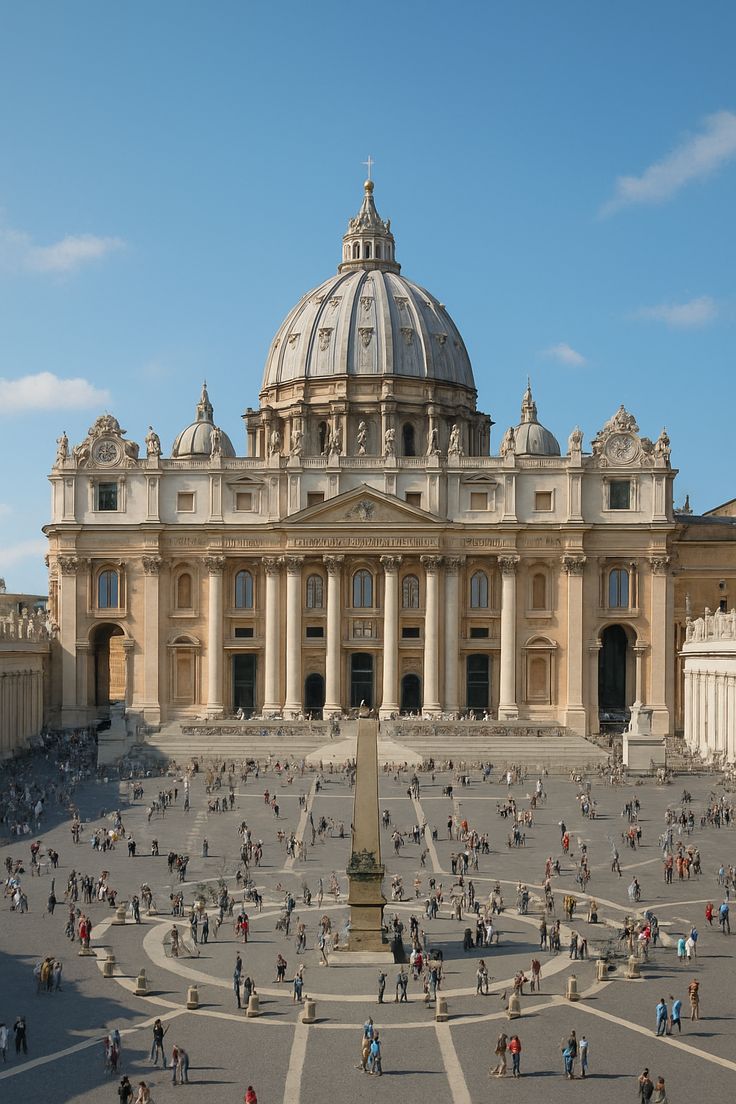
St. Peter's Basilica remains open
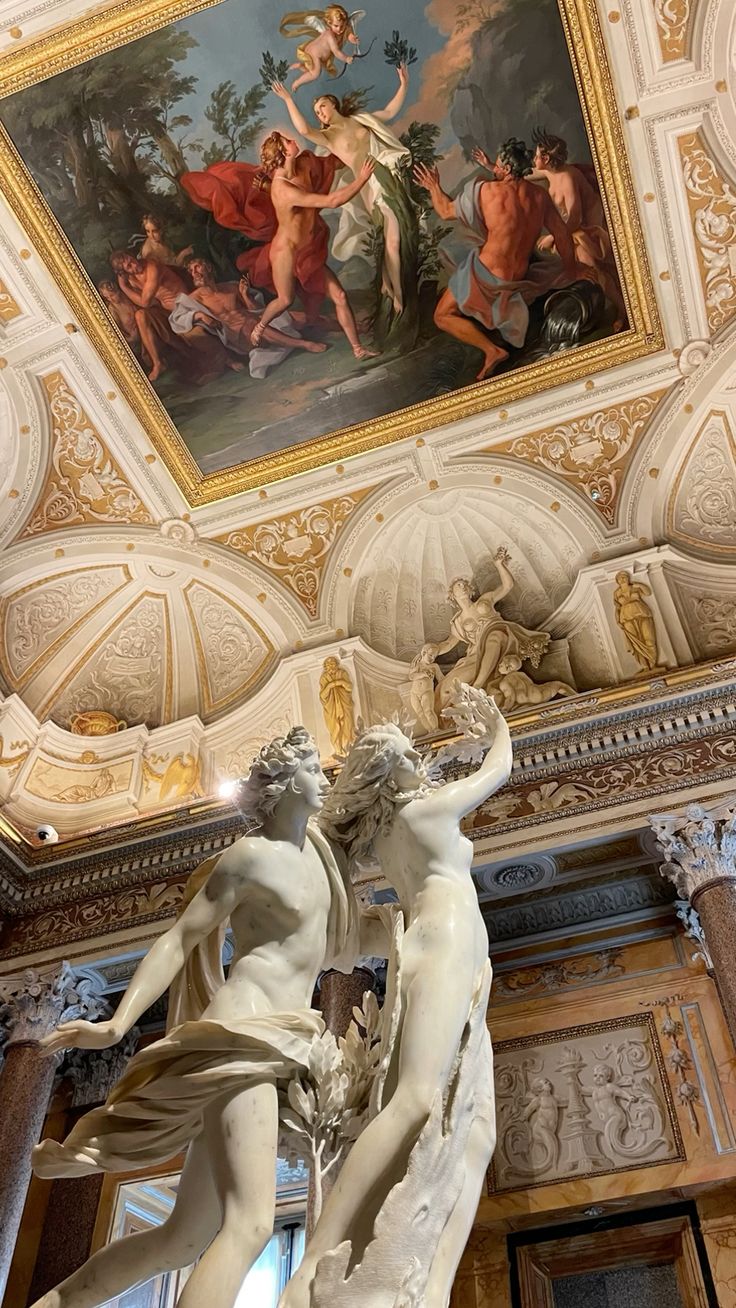
State and municipal museums, including the Capitoline Museums and Galleria Borghese, keep regular summer hours
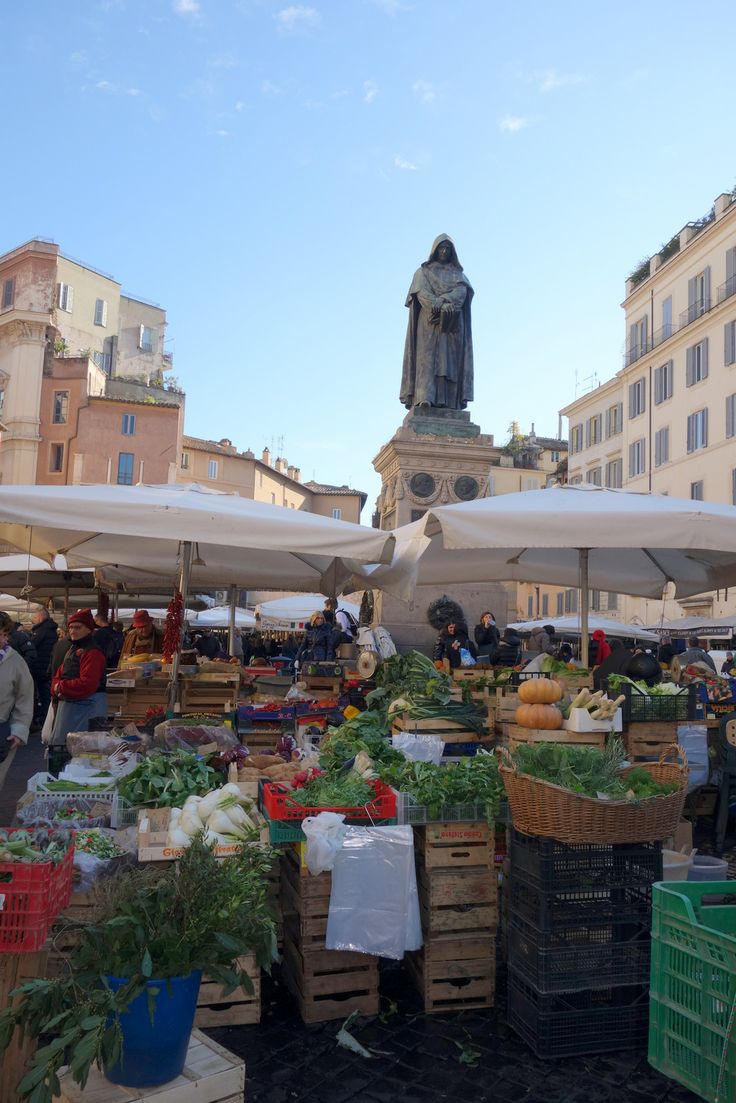
Restaurants and cafés in tourist-heavy areas like Trastevere and Campo de' Fiori mostly stay open, since they serve visitors rather than locals
Supermarkets and pharmacies stay open, though with reduced hours
Major basilicas hold significant Ferragosto Masses — Santa Maria Maggiore and Santa Maria in Trastevere in particular are worth seeing on August 15 itself, when the atmosphere is unlike any ordinary tourist visit
The part nobody tells you: this is when Rome gets its city back
Here's the paradox almost no one mentions. When Romans leave for the coast or the mountains, the city that's left behind is quieter than at any other point in the year:
Traffic drops to its lowest level of the year — August 15–20 is genuinely the best window to walk or cycle through streets that are usually gridlocked
Queues at the Colosseum and other major sites are noticeably shorter than during spring or early summer
The historic center, without its usual daytime crowd of residents and commuters, feels calmer even as tourists keep arriving
In other words: the locals leave, but the city doesn't close. It just changes hands for two weeks.
Heat, and how to actually handle it
August in Rome is hot — regularly above 35°C (95°F) in the afternoon. A few things that make a real difference:
Plan major sightseeing for early morning or after 5pm, when both the temperature and the crowds drop
Rome's nasoni — the small cast-iron drinking fountains on almost every street — provide free, cold, drinkable water everywhere. Carry a bottle and refill as you go
Sun protection is not optional at midday; shade is scarce around most major monuments
Why where you stay matters more in August than any other month
This is the detail most guides miss entirely. If your neighborhood trattoria closes for two weeks and you're staying in a hotel with no kitchen, your options for a quiet dinner in shrink to whichever tourist-facing restaurant is still open nearby — often the most crowded, least authentic choice in the area.
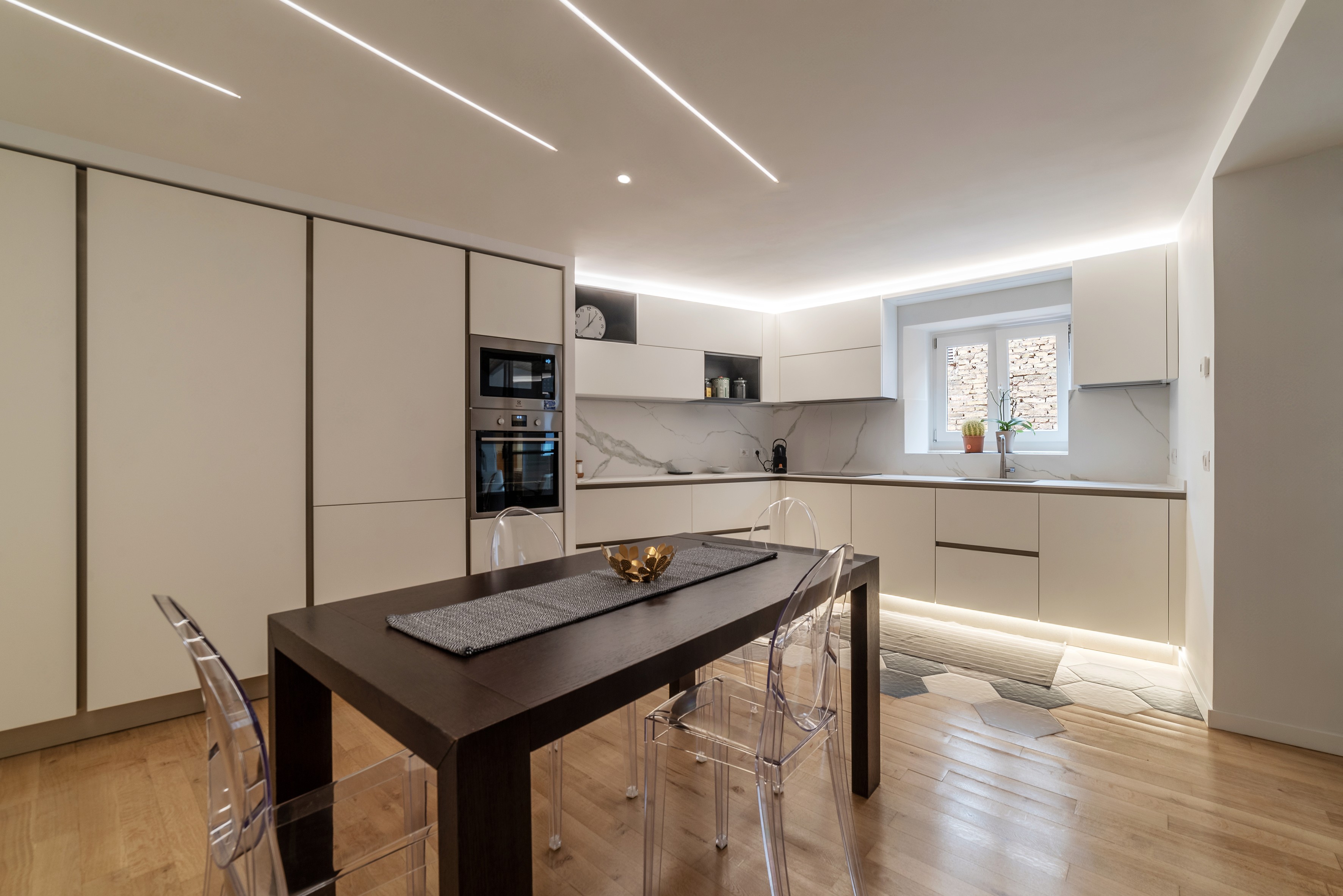
An apartment changes that equation. A kitchen means you're not dependent on which restaurant happens to be open on any given night — you can pick up produce at a morning market before the midday closures, cook through the hottest hours, and go out only when the city has cooled down. Reliable air conditioning, which every property in the Designd Stays Collection is equipped with, matters more in the second week of August than in any other month of the year.
It's a small thing on paper, but it's the difference between fighting Ferragosto and barely noticing it.
Frequently Asked Questions
Is Rome closed during Ferragosto 2026? No. Major attractions including the Colosseum, Roman Forum, and St. Peter's Basilica remain open. What closes is a large share of neighborhood restaurants, small shops, and local services — mostly the businesses that serve residents rather than visitors.
Are the Vatican Museums open in August 2026? The Vatican Museums and Sistine Chapel are specifically closed on August 14 and 15, 2026. They operate on regular summer hours on all other dates in August.
Is Rome too hot to visit in August? Afternoon temperatures regularly exceed 35°C (95°F). Most visitors manage this by scheduling sightseeing for early morning or evening and using Rome's free public drinking fountains (nasoni) to stay hydrated throughout the day.
Is it actually worth visiting Rome in August 2026? For sightseeing-focused trips, yes — shorter queues, lower traffic, and a quieter historic center make it one of the more pleasant times of year to see the major sites. The trade-off is fewer neighborhood restaurants open and higher heat, both of which are easier to manage from an apartment with a kitchen and air conditioning than from a hotel room.



Find Your Dream STAY Today